Pressure: Brendan Fraser Steps Into History in a Tense WWII Drama About the Decision That Changed the World
Brendan Fraser takes on one of history’s most consequential leadership roles in Pressure, a gripping new World War II drama that turns one of the most important military decisions ever made into a tense psychological thriller. Rather than focusing on the beaches of Normandy themselves, the film looks at the extraordinary pressure behind closed doors in the final days before D-Day — when weather forecasts, military timing, and impossible human judgment collided.
Directed by Anthony Maras and adapted from David Haig’s acclaimed stage play, Pressure explores the 72 critical hours leading up to the Allied invasion of Normandy in June 1944. With hundreds of thousands of soldiers waiting to cross the English Channel, one decision could determine whether the operation succeeds or ends in catastrophe.
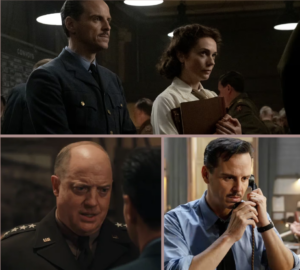
At the center of that decision is General Dwight D. Eisenhower, played by Brendan Fraser.
Fraser portrays Eisenhower not as an untouchable military icon, but as a leader carrying enormous emotional and strategic weight. The film places him in the middle of mounting military pressure, conflicting expert advice, and the terrifying reality that thousands of lives depend on his next command. It’s a performance built on restraint, uncertainty, and quiet authority rather than battlefield heroics.
Opposite Fraser is Andrew Scott as Scottish meteorologist James Stagg — the weather expert tasked with advising Allied leadership on whether conditions over the Channel would allow the invasion to go ahead. His forecast becomes the most important weather prediction of the war.

As storms approach Western Europe, Stagg clashes with competing forecasters who offer more optimistic predictions, while Eisenhower is forced to decide whom to trust.
That conflict becomes the emotional and dramatic engine of Pressure.
Rather than presenting war through combat sequences, explosions, or large-scale military action, the film turns weather, timing, and decision-making into suspense. The stakes remain enormous, but the tension comes from conversations inside command rooms, maps spread across tables, storm clouds gathering outside, and a countdown no one can stop.
It’s a war film driven by nerves instead of bullets.
The supporting cast adds further strength to the film, including Kerry Condon as Kay Summersby, Eisenhower’s trusted secretary and aide, and Chris Messina as American meteorologist Irving Krick. Their presence adds both emotional perspective and strategic conflict as the story unfolds.
What makes Pressure especially compelling is its focus on the unseen side of history. Many films about D-Day focus on the landing itself — the soldiers, the beaches, and the violence. Pressure instead asks what happened just before that moment.
Who made the call?
Who carried the responsibility?
And how do you choose when the outcome could reshape the world?
The film highlights how fragile history can be. Something as unpredictable as weather becomes a deciding force in the largest seaborne invasion ever attempted. Forecasting becomes warfare. Delay becomes strategy. Doubt becomes a weapon.
Anthony Maras directs the story with a contained, atmospheric style that emphasizes claustrophobia and urgency. Command rooms feel tense and airless. Conversations feel loaded with consequence. Even silence feels dangerous.
For Brendan Fraser, Pressure marks another powerful dramatic role following his acclaimed career resurgence. Here, he trades physical transformation for emotional gravity, delivering a measured performance as a man facing an impossible burden under extraordinary circumstances.
The result is a war drama that feels intimate but massive in significance.
Pressure is not simply a historical retelling — it’s a film about leadership, responsibility, trust in expertise, and what it means to make irreversible decisions under impossible circumstances. It reminds viewers that history isn’t only shaped on battlefields, but often in quiet rooms where someone must decide whether the world moves forward or waits.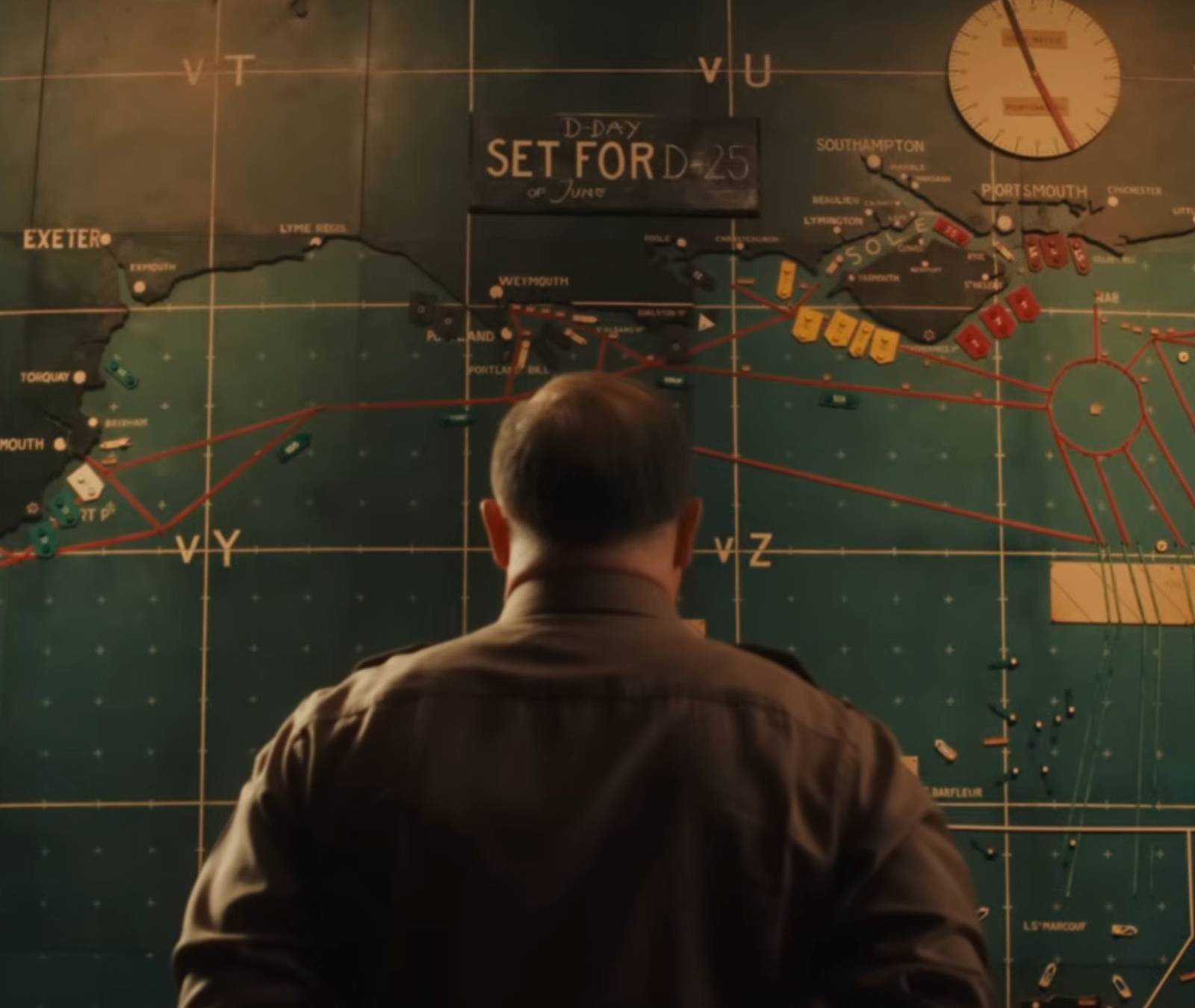
Tense, intelligent, and deeply human, Pressure offers a different perspective on World War II — one built not around combat, but around the unbearable weight of command.