The Controversy and Meaning Behind ‘Monster’s Anachronistic Dance Scene
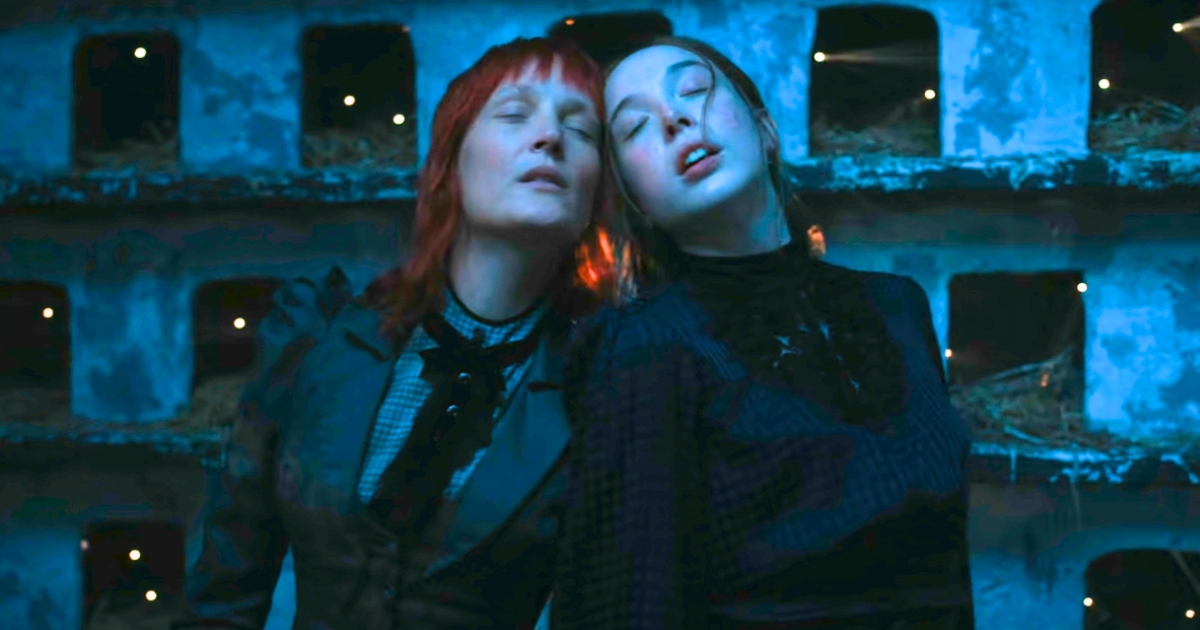
The creative liberties in Ryan Murphy and Ian Brennan’s Monster: The Lizzie Borden Story have drawn their sharpest backlash yet over Episode 6’s surreal dance sequence. In the scene, the series warps time to link Lizzie Borden (Ella Beatty) and maid Bridget Sullivan (Vicky Krieps) in the 1890s with serial killer Aileen Wuornos (Sarah Paulson) and her girlfriend Shelby (Jessie Lee) in the 1990s—all set to the thumping 1984 synth-pop anthem “Smalltown Boy” by Bronski Beat.
The Scene: A Century Collapses on One Dance Floor
In the episode’s narrative: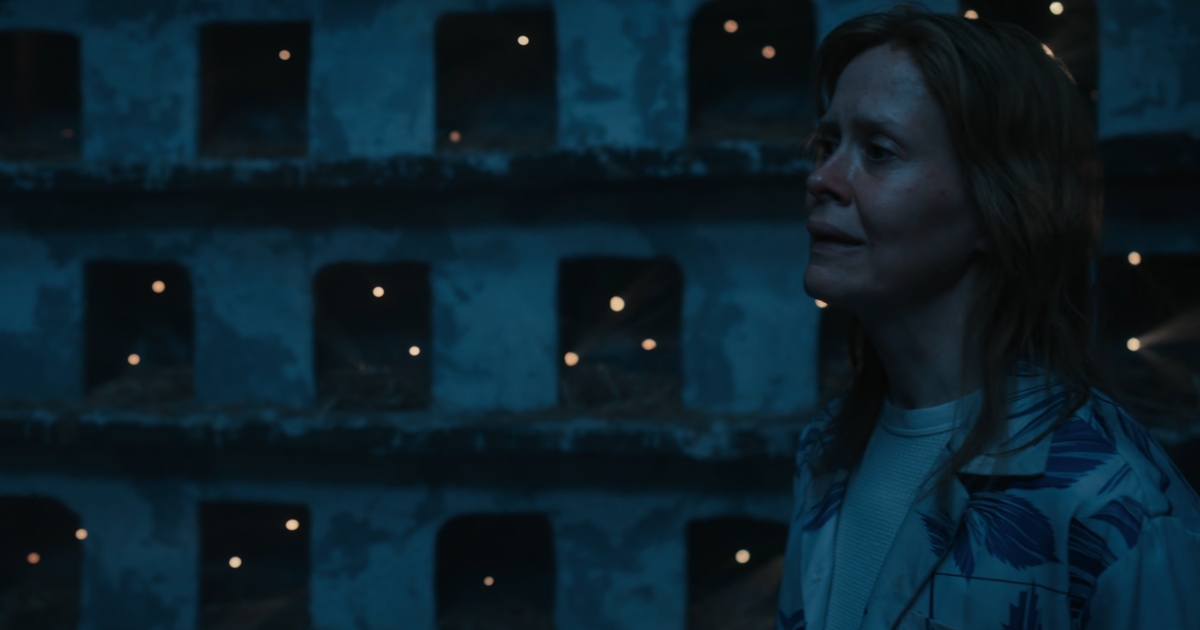
-
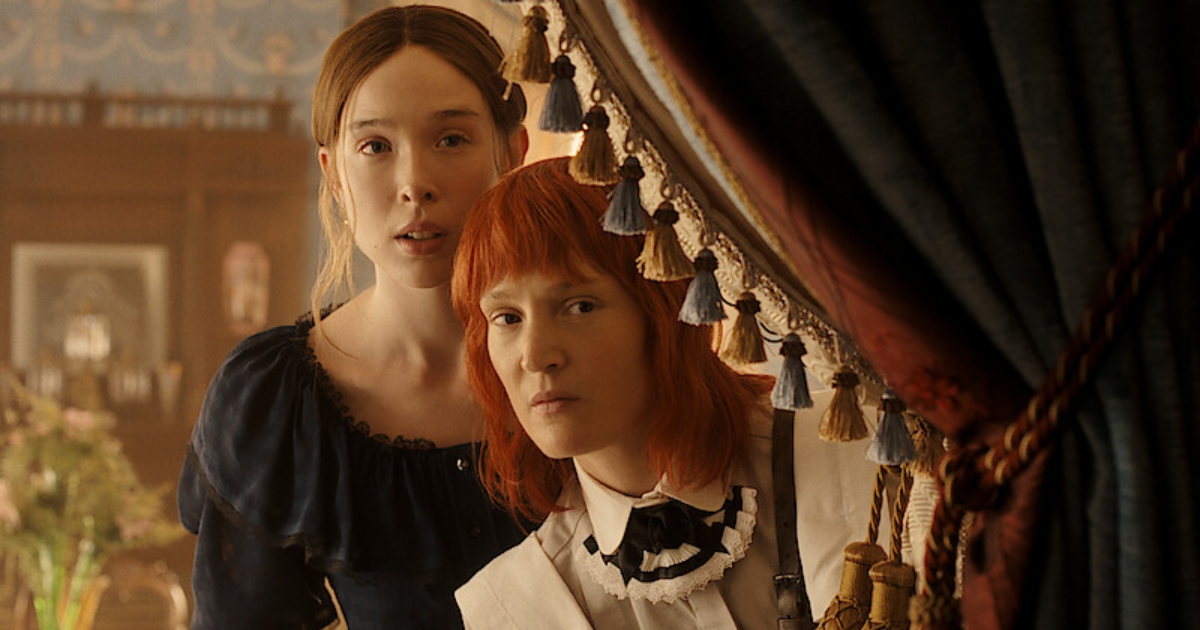
The 1890s Storyline: Following the double homicide of Andrew and Abby Borden, Bridget prepares to flee Fall River as police inquiries mount. Before parting ways, Bridget invites a devastated Lizzie to share “one last dance”.
-
The 1990s Parallel: A century later, an obsessed Aileen Wuornos and girlfriend Shelby visit the Lizzie Borden property (depicted as the modern Bed & Breakfast, though historically the B&B didn’t open until after Wuornos’s conviction).
-
The Split-Screen Fusion: As Jimmy Somerville’s soaring vocals in “Smalltown Boy” kick in, the edit cuts between the Victorian parlor and the 1990s guest room, blurring the timelines until the four women appear to occupy the same shared emotional dance floor.
Why the Internet Is Outraged
When Netflix posted the isolated clip on X (formerly Twitter), it triggered a swift wave of criticism from true-crime viewers and critics weary of Murphy’s stylistic signatures:
-
Trivializing Murderers: Viewers slammed the production for turning real-world homicides into campy, TikTok-ready pop moments:“Yeah this sh*t ain’t it. It was mental the first time but we just making murderers into jokes now.”“Stop trying to normalise and humanise serial killers!”“This is a f**king disgrace to the OG Monster movie and Aileen Wuornos herself.”
-
The “Marvelization” of True Crime: Critics accused Murphy of treating unrelated real-life killers like a superhero crossover team, forcing Wuornos and Borden together despite having zero historical connection.
-
Exhaustion with Franchise Tropes: Several commenters drew comparisons to earlier installments—noting that while Dahmer maintained bleak realism, The Ed Gein Story and Lizzie Borden tilted heavily into camp and shock value.
The Creators’ Defense: The “Female Rage” Throughline
Co-showrunner Ian Brennan and lead actress Ella Beatty maintain that the needle drop and visual blending were carefully designed thematic choices:
-
Unbroken Line of Female Rage: Brennan told Netflix’s Tudum that the multi-era structure was meant to universalize the characters’ psychological fractures:“Thematically and within the world of the show, it was about drawing a line underneath the idea that these women weren’t isolated events, that female rage is something that runs through our history and our species.”
-
Why “Smalltown Boy”? Released in 1984 by openly gay synth-pop pioneers Bronski Beat, the track is an iconic queer anthem chronicling a young person fleeing homophobia, familial rejection, and small-town isolation to find freedom. Brennan explained that using a modern queer anthem creates a shared emotional escape for both couples, who were trapped in worlds hostile to their sexuality and autonomy.
-
Breaking the “Period Stuffy” Mold: Brennan added that jarring anachronisms remind audiences that these figures were flesh-and-blood human beings rather than black-and-white historical photographs:“We both go back in time to Lizzie, then go further back to Elizabeth Báthory and then come back sooner to Aileen Wuornos. So we’re sort of jumping through time anyway and extending that to the present day with music, felt like the right move.”
While visually arresting to fans of high camp and thematic melodrama, the scene encapsulates the core tension of the Monster franchise: balancing empathetic artistic exploration of systemic oppression against the ethics of glamorizing violent crimes.