Fact vs. Fiction: Lizzie Borden and Bridget Sullivan in Netflix’s ‘Monster’
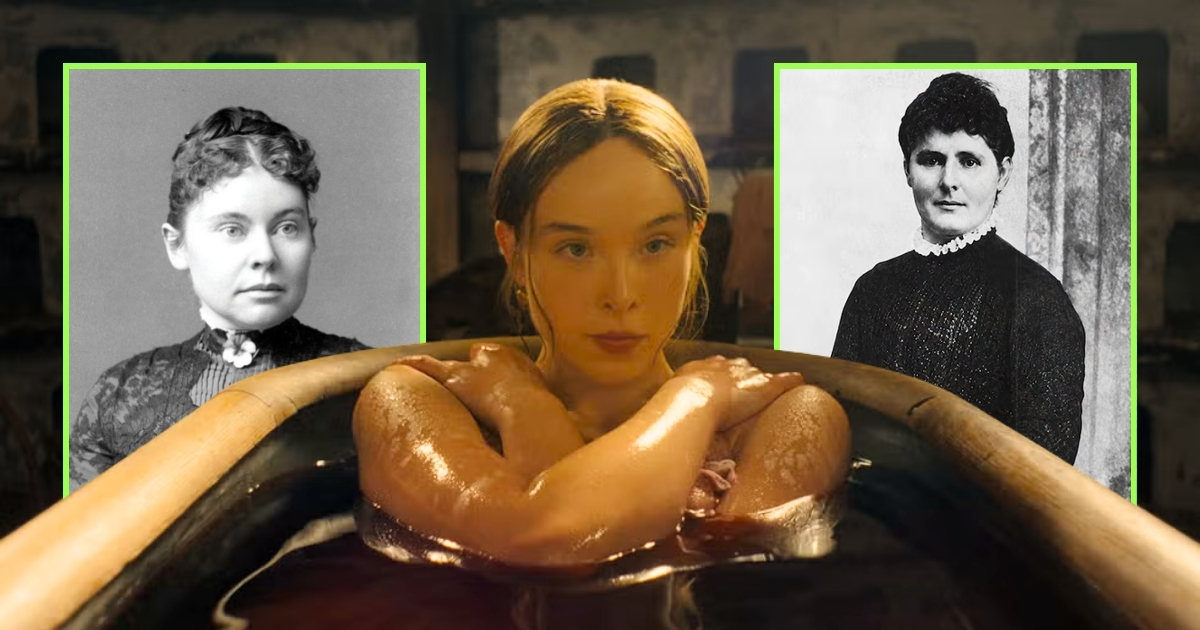
In Monster: The Lizzie Borden Story, showrunner Ian Brennan and producer Ryan Murphy lean heavily into the theory that Lizzie Borden (Ella Beatty) and the family’s live-in maid, Bridget “Maggie” Sullivan (Vicky Krieps), were secret lovers and partners in crime. While the dynamic drives the emotional and narrative arc of the Netflix series, historical records tell a very different story.
Did Lizzie Borden Sleep with Bridget Sullivan?
-
No Historical Evidence: There is zero contemporaneous historical evidence that Lizzie and Bridget had a romantic or sexual relationship.
-
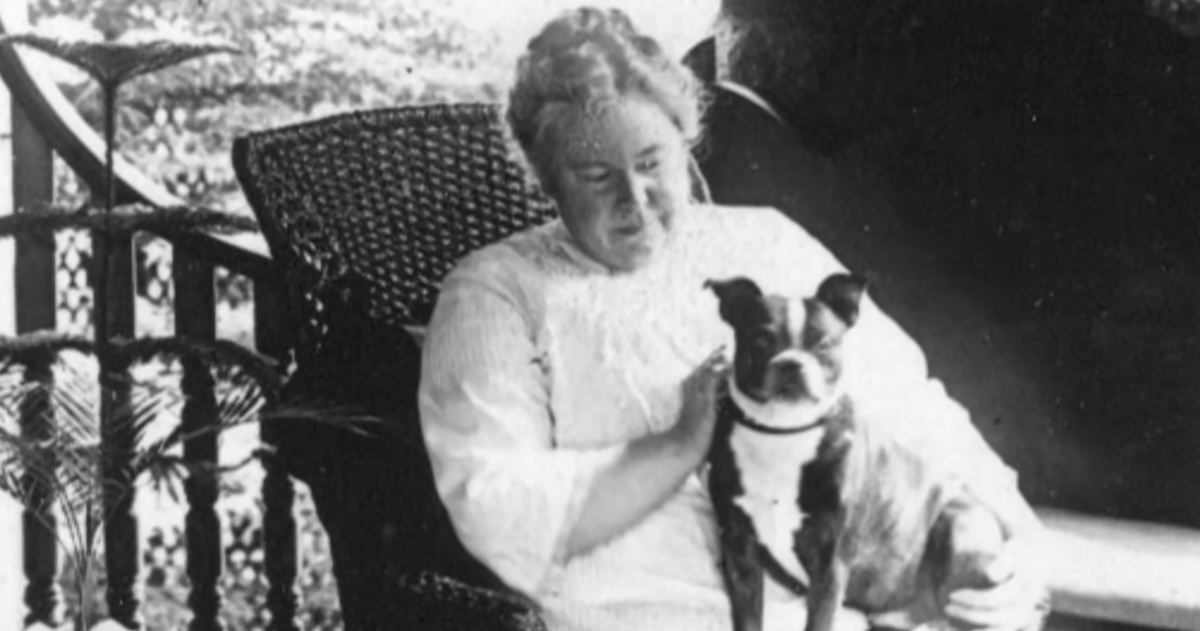
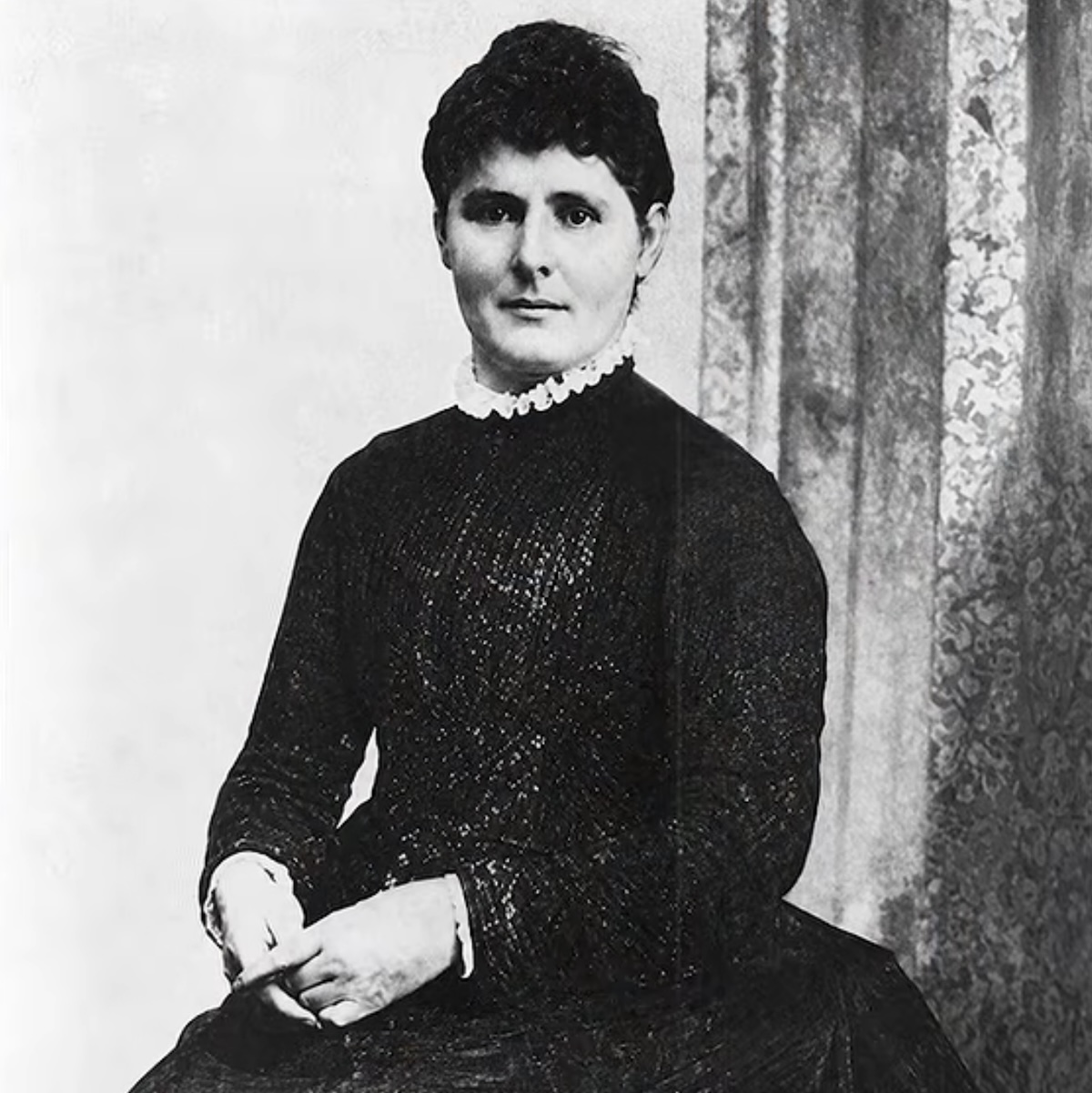
The Real Bridget Sullivan: In August 1892, Sullivan was a 26-year-old Irish immigrant who had worked as a live-in domestic maid for the Bordens for nearly three years. During the inquest and 1893 trial, her testimony provided extensive details about the family’s routines and household dynamics, but gave no indication of an intimate relationship with Lizzie.
-
Origin of the Affair Theory: The romantic pairing did not originate in 19th-century accounts. It was popularized almost a century later by author Evan Hunter (writing as Ed McBain) in his 1984 fictional novel Lizzie, which imagined the murders occurring after Abby caught the two women in bed. Hunter later noted his fictional premise was inspired by Lizzie’s rumored real-life later romance with actress Nance O’Neil, not by Sullivan.
-
Historian Consensus: Nonfiction author Sarah Miller (The Borden Murders) dismissed the theory as completely unsubstantiated, noting it relies on modern innuendo and the simple fact that Lizzie never married.
Was Bridget an Accomplice to the Murders?
-
Key Prosecution Witness: Rather than a co-conspirator, Bridget was a central witness for the prosecution. She testified she had been washing ground-floor windows before going to her third-floor room to rest, placing Lizzie at the scene and confirming no unauthorized intruders entered.
-
Defense Support: Some of Bridget’s statements aided Lizzie’s defense. She stated that Lizzie and Abby interacted “very civilly” without open quarreling, and testified that immediately after Andrew’s murder, she saw no blood on Lizzie’s hands, face, or clothing.
-
Survival Over Scandal: While later pop-culture theories (such as Mary D. Smith’s 1978 essay in The Armchair Detective) suggested Bridget was a partner in crime, author C. Cree (Killing the Bordens) pointed out that any downplaying of household tension was likely driven by self-preservation: Sullivan was an immigrant domestic servant dependent on future employment references.
What We Actually Know About Lizzie Borden’s Sexuality
-
Lizzie Never Married: Because Lizzie never wed and left no records of male suitors, public curiosity surrounding her private life has persisted for over a century.
-
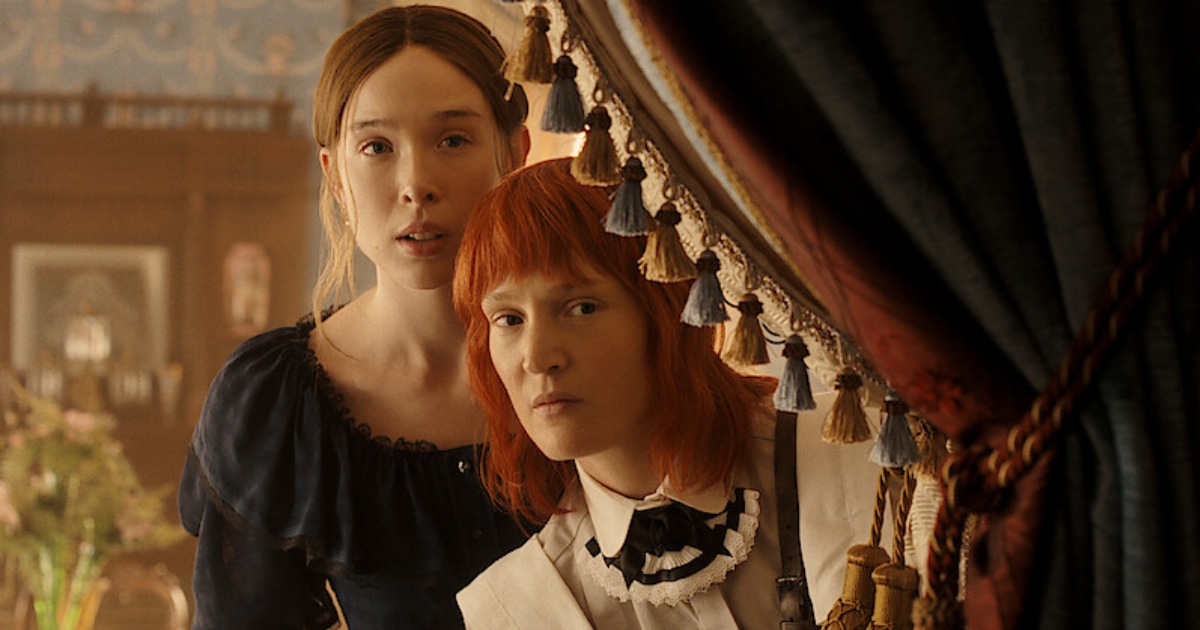
The Nance O’Neil Connection: Legitimate historical speculation regarding Lizzie’s sexuality centers on her relationship with celebrated stage actress Nance O’Neil (portrayed by Jessica Barden in Monster).
-
Around 1904, Lizzie befriended O’Neil, lavishly entertained members of her theatre troupe, and became estranged from her sister Emma, who abruptly moved out of their Maplecroft estate in 1905.
-
While the friendship caused local gossip, neither woman ever confirmed a romantic link; following Lizzie’s death in 1927, O’Neil characterized their past dynamic simply as “ships that pass in the night.”
-
Why ‘Monster’ Chose to Fabricate the Affair
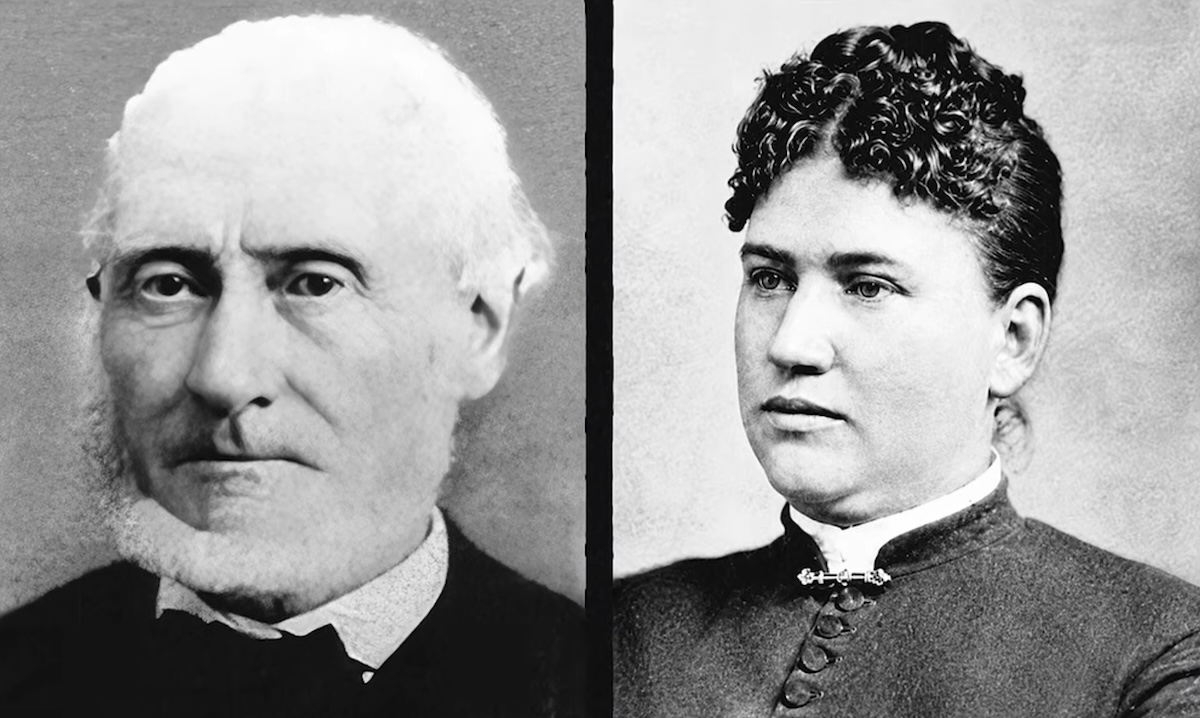
According to co-creator Ian Brennan, adopting the fictional affair was a deliberate creative choice rather than an attempt at historical accuracy:
-
The Dramatic Rationale: Brennan stated that the 19th-century concept of a “Boston marriage” between the two women “seemed too rich to ignore” and felt like a minor narrative leap compared to the show’s other creative liberties.
-
Narrative Catalyst: In the show’s structure, Bridget acts as a modern, liberating force who awakens Lizzie from domestic repression, turning deep fascination into sexual desire and mutual vengeance.