In a move that has sent shockwaves through one of television’s longest-running crime franchises, NCIS delivered a devastating twist in its landmark 500th episode — the death of Director Leon Vance, a character who had stood at the center of the series for nearly two decades. The decision, both bold and deeply polarizing, marks one of the most significant turning points in the show’s modern era.
A DEATH THAT REDEFINED THE STAKES

The milestone episode, designed to celebrate longevity, instead chose to dismantle stability. Vance, portrayed by Rocky Carroll since 2008, was killed in a dramatic confrontation involving a corrupt agent — a narrative choice intended to remind audiences that no character, regardless of legacy, is untouchable.
Producers have framed the decision as a deliberate escalation, a way to inject real consequences into a series that has long balanced procedural storytelling with character continuity. After 18 seasons of leadership, Vance’s death was not simply an exit — it was a structural shift.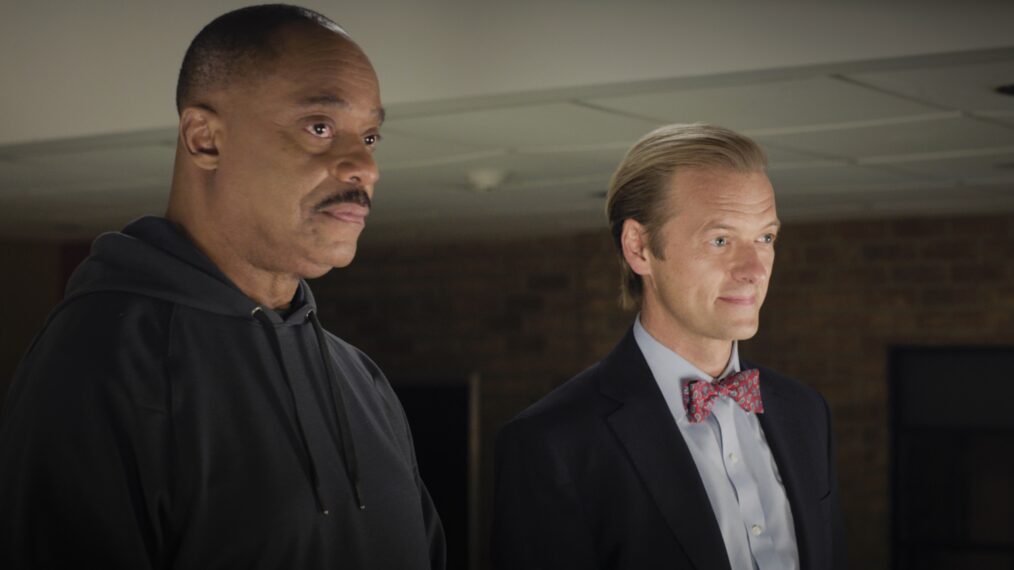
EMOTIONAL FALLOUT AND AN UNCERTAIN FUTURE
The immediate aftermath within the narrative leaves the agency — and the audience — in a state of instability. With no clear successor in place, the question of who will assume control of NCIS remains unresolved, opening the door to internal conflict and a prolonged transition of power.
This uncertainty is further amplified by the emotional weight of the loss. Vance was not just an authority figure, but a connective thread linking multiple eras of the show, from the post-Gibbs transition to the current team dynamic. His absence creates a vacuum that extends beyond leadership, affecting the identity of the series itself.

ROCKY CARROLL’S EXIT — AND CONTINUED PRESENCE
Despite the on-screen death, Rocky Carroll’s relationship with NCIS is far from over. The actor is set to continue directing episodes, maintaining a creative presence behind the camera even as his character’s story concludes.
Carroll has described the farewell as both shocking and meaningful, ultimately embracing the storyline as a fitting tribute to a character who defined nearly two decades of television.
At the same time, speculation persists that Vance may not be entirely gone. Given the show’s history, possibilities such as flashbacks, visions, or narrative callbacks remain open — leaving fans questioning whether this is truly a final goodbye.
HIDDEN CLUES AND UNFINISHED THREADS
What has intensified discussion is the suggestion that Vance’s death may not close his storyline, but rather unlock deeper narrative threads. Observers have pointed to unresolved elements — from internal conspiracies to character relationships — that could resurface in future episodes.
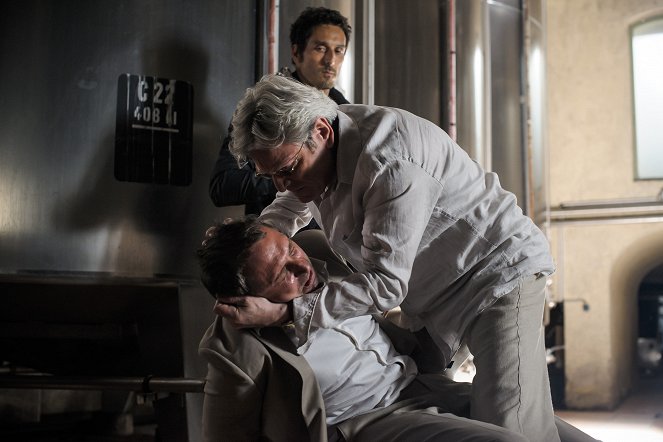
The structure of the 500th episode itself, layered with symbolic callbacks and emotional framing, has led some fans to believe that clues about the show’s next direction were embedded within the farewell
.
A FRANCHISE AT A CROSSROADS
With Season 24 already confirmed, NCIS now faces a critical transition period. The removal of a long-standing central figure forces the series to redefine its hierarchy, tone, and long-term trajectory.
Whether this marks the beginning of a creative reinvention or a risky gamble remains to be seen.
But one thing is clear: the 500th episode was not just a milestone — it was a rupture, one that leaves behind more questions than answers, and a future that feels more uncertain than ever before.