LONDON — In an era when children seem to grow up with smartphones practically glued to their hands, an unusual decision inside the British Royal Family is attracting significant attention. Prince William is reportedly standing firm in refusing to let his eldest son, Prince George, own a smartphone like many of his peers, despite the young royal reaching an age when most of his friends are already deeply connected to the digital world.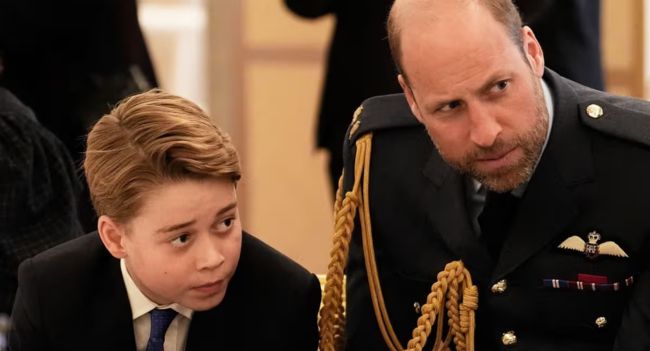
What makes the situation particularly intriguing is that William himself has admitted the issue has become a surprisingly “tense” topic within the family. According to recent reports, George has repeatedly questioned why he must follow a different set of rules while other children his age are free to text friends, browse social media and communicate online without the same restrictions.
For William and Princess Kate, however, the matter goes far beyond technology or parental discipline. It is part of a much larger effort to protect the next generation of royals from dangers they themselves have experienced firsthand.
William has revealed that none of his three children currently own personal mobile phones. If George is eventually allowed to have one as he moves into secondary school, it will reportedly be a basic device limited to calls and text messages, with no internet access. According to the Prince of Wales, his greatest concern is not the phone itself but the vast online world that exists behind the screen. He believes children today can be exposed to harmful content long before they are emotionally prepared to understand or process it.
Behind that firm stance lies a past William has never truly forgotten.
For years, members of the Royal Family found themselves caught up in some of Britain’s most shocking privacy and phone-hacking scandals. Investigations exposed incidents in which royal figures were allegedly monitored, mobile phones were compromised and private information found its way into newspapers without consent. William himself was among the high-profile figures whose names became closely associated with controversies that stunned the nation.
That history is one reason some royal experts believe William’s concerns are not driven solely by his role as a father. They also reflect the painful experience of someone who witnessed personal privacy being violated from a very young age.
Yet the question generating the most curiosity among royal watchers is when George will finally be allowed to enter the digital world. William has hinted that the milestone may arrive once his son begins secondary school. Even then, however, no one knows exactly what restrictions will remain in place, or whether the future heir to the British throne will be granted the same online freedoms enjoyed by most teenagers.
And there is one detail quietly fueling speculation within royal circles. Some sources suggest discussions surrounding George’s digital security have been taking place behind closed palace doors for years. As the young prince edges closer to a larger public role, the debate may no longer be about whether he can own a phone at all. Instead, the real question could be how tightly the monarchy intends to control the digital environment surrounding its future king.
Because sometimes, the smartphone a 12-year-old boy is not allowed to have may be concealing concerns far greater than the public has been led to believe.