TANNER HORNER’S DEATH SENTENCE IN ATHENA STRAND CASE SPARKS LONG, COMPLEX APPEAL PROCESS
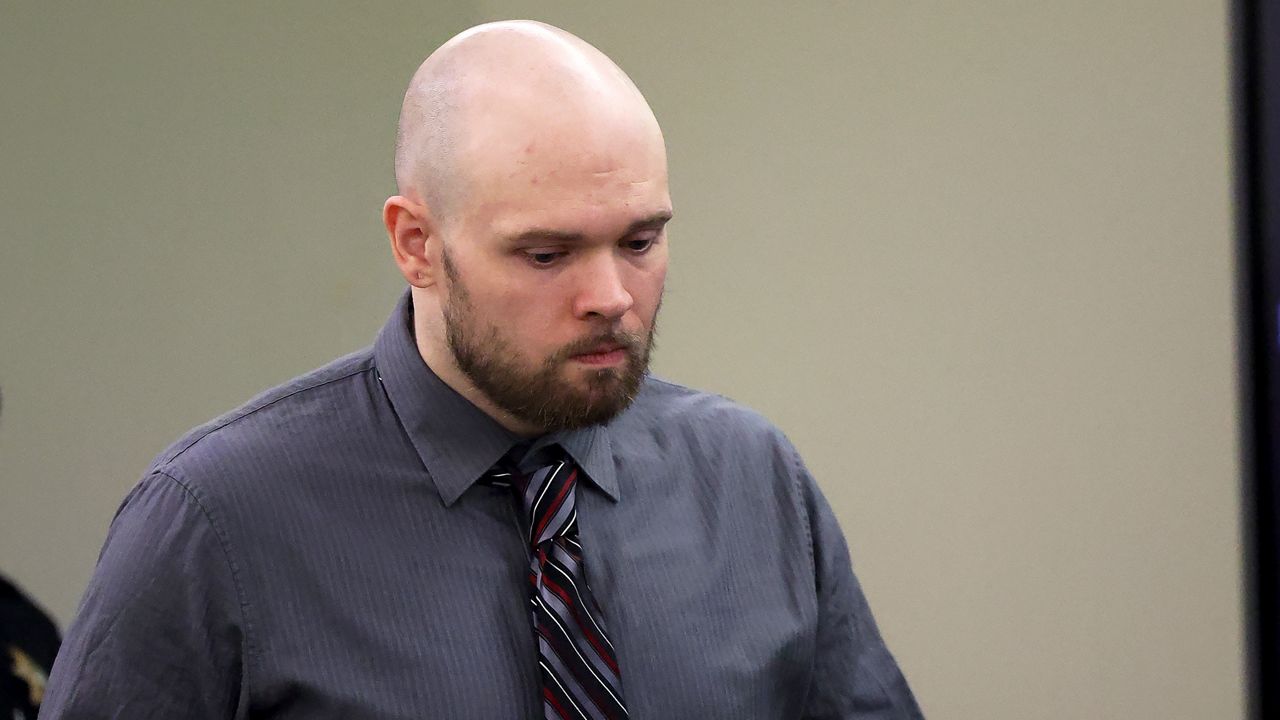
The legal storm surrounding Tanner Horner, the man who confessed to the brutal murder of 7-year-old Athena Strand, has entered a new phase after the 35-year-old was sentenced to death for his crime. The sentencing, which followed a heart-wrenching trial, marks a significant moment in the case, but as is typical in death penalty cases, the legal proceedings are far from over.
Just days after the gavel fell in the Tarrant County courtroom, Horner’s defense team filed an appeal with the Texas Court of Criminal Appeals on May 11, 2026. This filing marks the beginning of what is expected to be a lengthy and often contentious battle through the appellate system, where Horner’s legal team will seek to have the death sentence overturned.
A Standard But Lengthy Process
For those familiar with the Texas judicial system, the rapid appeal filing is far from surprising. While the appeal may seem like a formality, it is an essential part of the state’s process for capital cases, ensuring that all potential legal errors are addressed before any irreversible action is taken. This process is intended to prevent any unjust executions and is a hallmark of the checks and balances in the American legal system.
The immediate filing is known as a “skeletal” appeal, which serves as a placeholder while the massive trial record is compiled. This initial appeal does not present specific arguments but officially establishes the groundwork for future legal battles. For now, it’s a procedural move that allows Horner’s legal team to begin working on a more detailed case for the defense.
The Two Phases of Appeal

The appeal process for death penalty cases in Texas follows a two-track system designed to ensure that no stone is left unturned. The first track is the Direct Appeal, which primarily focuses on identifying potential legal errors made during the trial. The Court of Criminal Appeals will review the entire trial record to ensure there were no procedural mistakes, such as the admission of inadmissible evidence or issues with jury selection. In this phase, Horner’s defense team will submit a detailed “brief,” outlining the legal errors they believe warrant a new trial or a reduction in sentence. Following this, oral arguments will take place, with attorneys presenting their case to the judges.
The second track is known as the Writ of Habeas Corpus, which looks at evidence outside of the trial. This phase can be pivotal, as it allows the defense to introduce new evidence, claim ineffective legal representation, or highlight any prosecutorial misconduct. This could include revelations such as the discovery of new forensic evidence or issues with the investigation that were not previously addressed in court.
Both of these processes run in parallel, and while they are designed to expedite the resolution of capital cases, they often stretch out over many years.
The Federal Level: A Final Line of Defense
Should the state-level appeals be unsuccessful, the case would then move to the federal courts. The first step would be a petition for a writ of certiorari to the U.S. Supreme Court, where Horner’s team would ask the highest court in the land to review the case. The Supreme Court takes on only a small percentage of cases, typically those involving significant constitutional issues. If the Supreme Court declines to hear the case, it would proceed to federal habeas review, where federal judges will review whether Horner’s constitutional rights were violated by the state during the trial process.
The State’s Role in Defending the Sentence

While the defense works through these multiple layers of appeal, the state of Texas, through the District Attorney’s office, will be working just as hard to uphold the death sentence. The state will argue that the conviction and sentence are correct, emphasizing the overwhelming evidence against Horner, including his own confession and the brutal nature of the crime. The state will also argue that the jury’s decision to sentence Horner to death was a fair and just one based on the facts of the case.
A Nation’s Gaze on the Case
For the family of Athena Strand, the legal battle has reopened old wounds. While the legal system runs its course, the case remains a stark reminder of the tragic loss they suffered. The public is also watching closely, with many debating whether the automatic appeal process is necessary to ensure justice or whether it only prolongs the suffering of the victims’ families.
In the coming months, the legal proceedings will continue, with Horner’s fate hanging in the balance. The case has already sparked conversations about the fairness and effectiveness of the death penalty, and it seems likely to remain a topic of national debate for some time.
As the case moves through the appellate process, one thing is certain: the memory of Athena Strand and the quest for justice will continue to reverberate through the courts, the media, and the hearts of those who followed the case from the beginning. The fate of Tanner Horner is still uncertain, but his legal journey is far from over.