After sixteen years of watching Grey’s Anatomy, I genuinely thought I had reached the limit of what a medical drama could offer me. I wasn’t a casual viewer who dipped in and out—I stayed through nearly everything up to season 17. I watched the rise of McDreamy and McSteamy, followed Cristina Yang’s complicated relationships with Preston Burke and later Owen Hunt, and kept track of the endless rotations of interns, residents, heartbreaks, tragedies, and impossible recoveries inside that fictional hospital.

Over time, the show became almost overwhelming in its density. New characters were constantly introduced, long-running arcs stretched further than they probably should have, and the emotional weight began to feel diluted simply because there was so much of it. It wasn’t that I stopped caring—it was more that the series stopped feeling contained. By the time I drifted away after season 17, I assumed I was done with the genre entirely. Another hospital drama felt unnecessary, like I had already seen every possible variation of surgical crises and romantic entanglements under fluorescent operating room lights.
So when The Pitt was released, I ignored it at first. I wasn’t looking for another emergency room, another set of overworked doctors sprinting through corridors, another show trying to reinvent medical storytelling. I had moved on—or so I believed.
But gradually, I started hearing more about it. Not in the usual “this show is entertaining” way, but in a more specific tone: people described it as intense, tightly structured, almost exhausting in its realism. Critics and viewers alike kept pointing out how different it felt from anything else in the genre. Eventually, the noise around it became too consistent to ignore. Awards followed, including Emmy recognition, and curiosity quietly replaced my resistance. I finally gave in and started watching.
What surprised me most wasn’t just that I got hooked—it was how quickly I stopped comparing it to Grey’s Anatomy. I expected similarities, but instead I found something built on a completely different philosophy of storytelling.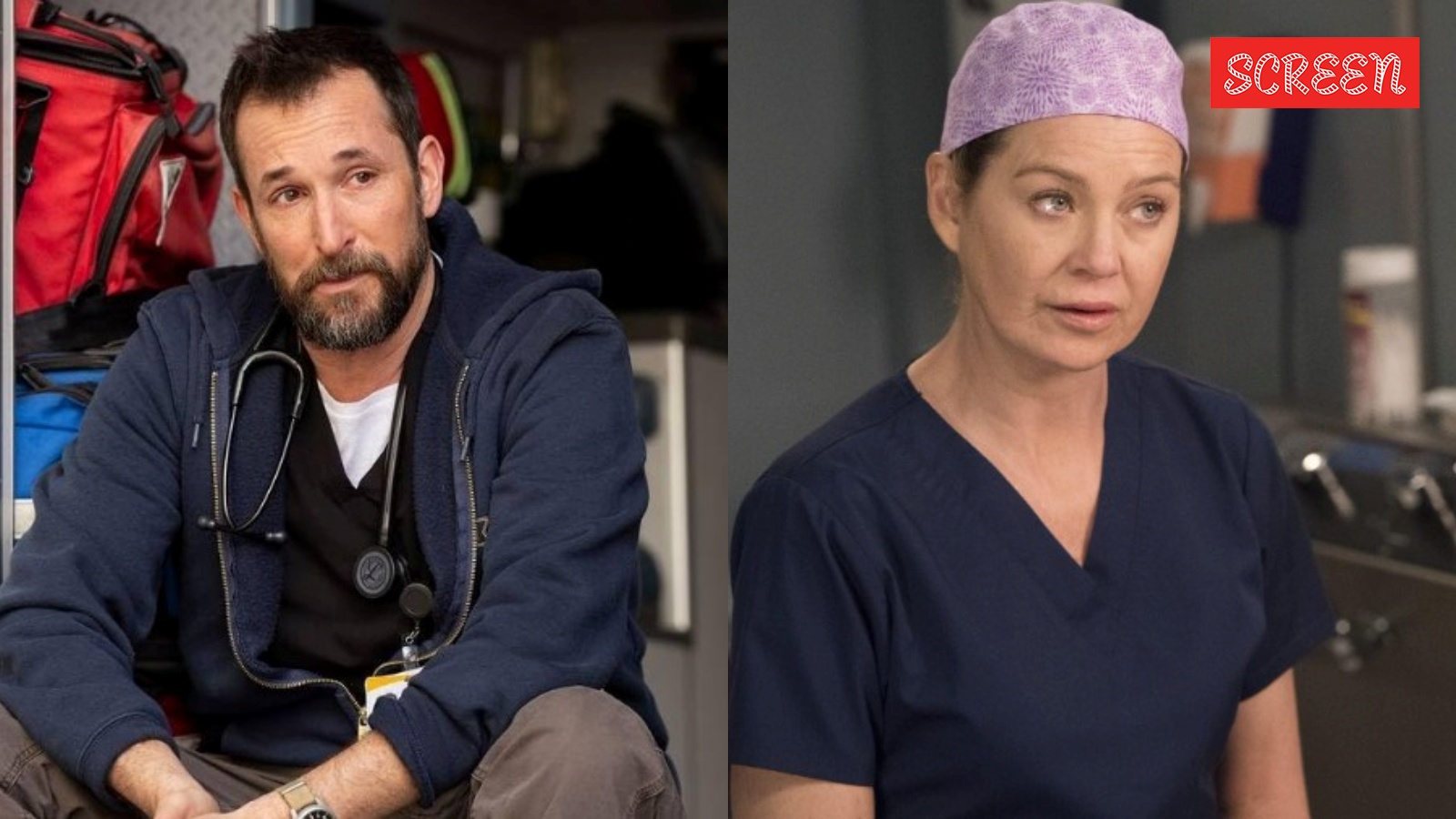
The fundamental divide between the two shows is simple but significant. Grey’s Anatomy uses medicine as a backdrop for human drama. Patients, surgeries, and crises exist, but they often function as the stage on which the doctors’ emotional lives unfold. Romance, betrayal, friendship, jealousy, and ambition are the real driving forces. Even the most intense medical emergencies are often filtered through relationships. Doctors fall in love, fall apart, reunite, and self-destruct—all while the hospital continues to function like a dramatic ecosystem of interconnected emotions.
That approach is what made Grey’s so addictive. It turned medicine into something almost cinematic and heightened: tragic, romantic, chaotic, and endlessly dramatic. It wasn’t just about saving lives; it was about who loved whom, who lost whom, and who could survive the emotional aftermath.
The Pitt, on the other hand, refuses to center itself around personal drama in the same way. It doesn’t ignore the lives of its characters, but it resists letting those lives overshadow the work. Instead, it focuses heavily on the structure of the hospital itself—the constant pressure, the overcrowded emergency rooms, the bureaucracy, the endless waiting, and the ethical exhaustion that comes from making impossible decisions over and over again.
Where Grey’s dramatizes medicine, The Pitt documents its weight.
One of the most striking things about The Pitt is its format. Each episode covers exactly one hour in real time inside the emergency department. At first, that sounds like a stylistic choice, but the effect is much deeper than that. Because so much happens within each episode, time becomes distorted for the viewer. By the end, it doesn’t feel like you’ve watched an hour—it feels like you’ve survived one.
That structure forces you into the same mental space as the staff. You feel the urgency, the interruptions, the constant stream of incoming patients, the administrative pressure, and the emotional fatigue that builds without pause. There is no narrative escape. The show doesn’t let you step back and breathe easily, and that is precisely the point.
It also refuses to romanticize the profession. There are no clean resolutions, no neatly wrapped emotional arcs. Patients are sometimes treated too late. Families wait too long. Doctors make decisions that are correct but still devastating. The system itself feels stretched beyond capacity, shaped as much by limitations as by skill.
What The Pitt understands—perhaps more clearly than many shows in the genre—is that modern medicine is not just about heroism. It is about endurance. It is about working inside systems that are constantly under strain. It is about paperwork, insurance limitations, staffing shortages, and the emotional cost of witnessing suffering repeatedly without enough time to process it.
The show also expands its focus beyond doctors in ways that feel intentional rather than decorative. In one standout episode, the narrative shifts almost entirely toward the nursing staff. A charge nurse, Dana Evans, becomes the emotional center of the hour as she manages trauma cases, confronts difficult patients, and performs tasks that are rarely acknowledged as part of hospital storytelling.
Some of the most powerful moments are the quietest: preparing evidence kits for victims, bathing deceased patients with dignity, guiding younger staff through emotionally heavy procedures. These aren’t dramatic highlights designed for applause—they are routine responsibilities that carry enormous emotional weight. The show treats them as essential rather than secondary, which changes how you understand the entire environment of the hospital.
Even the doctors’ storylines reflect this accumulated pressure. Dr. Robby, played by Noah Wyle, is not presented as a traditional heroic lead. Instead, he feels increasingly worn down, reactive, and emotionally fragmented. His interactions with colleagues often suggest someone operating at the edge of burnout, trying to maintain control while slowly losing emotional reserves.
What becomes clear over time is that The Pitt isn’t just about medicine. It is about what repeated exposure to crisis does to people. It is about emotional erosion—the gradual loss of distance between professional duty and personal collapse.
By contrast, Grey’s Anatomy often allowed emotional intensity to feel expressive, even operatic. The Pitt removes that safety net. It leaves exhaustion visible and unglamourized. It lets silence linger. It shows fatigue not as a dramatic moment, but as a permanent condition.
That difference changed how I understood both shows. It made me realize that Grey’s Anatomy was never really trying to simulate a hospital. It was using a hospital as a storytelling device for human relationships. The Pitt, however, is much closer to trying to simulate the experience of working inside one.
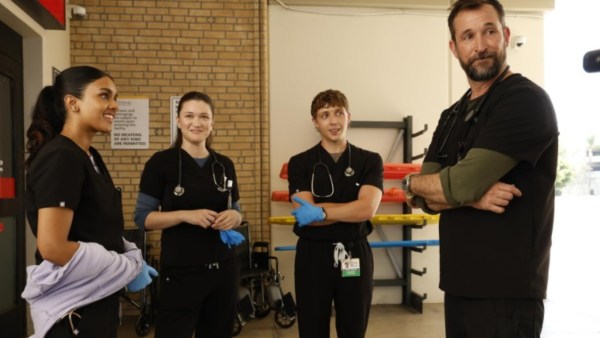
And that realization is what stayed with me the most. Watching The Pitt didn’t just feel like watching another medical drama—it felt like being reminded that the version of hospital life I had internalized over the years was always shaped through narrative convenience. It was structured for emotional payoff, not accuracy.
The Pitt strips away much of that comfort. It doesn’t make medicine look beautiful or romantic. Instead, it makes it feel heavy, repetitive, and relentless in a way that is difficult to ignore. And in doing so, it quietly redefines what a medical drama can be—not a stage for life’s biggest emotions, but a window into the cost of containing them.