In The Four Wives of Windsor, royal biographer Simon Vigar argues that Diana was the single biggest changemaker among modern royal women, placing her influence above that of Queen Camilla, Catherine, Princess of Wales, and Meghan, Duchess of Sussex. While each woman has helped shape the monarchy in different ways, Vigar believes it was Diana who permanently altered the institution’s relationship with both the public and its own future.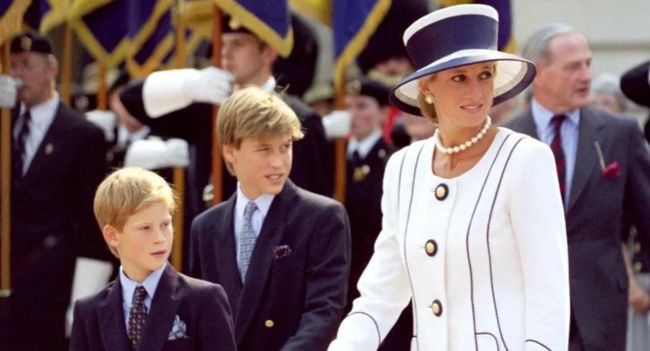
Unlike many who married into the Royal Family, Diana was not an outsider unfamiliar with royal life. Raised at Park House on the Sandringham Estate, just a short distance from the royal residence, she understood the traditions of the monarchy long before she became Princess of Wales. Yet rather than preserving every custom, she challenged many of them in quiet but revolutionary ways.
Perhaps nowhere was that transformation more visible than in the way she chose to raise Princes William and Harry.
Determined to give her sons a childhood that felt closer to ordinary life than previous generations of heirs had experienced, Diana insisted they interact with the public, experience everyday activities and grow up with a stronger understanding of the world beyond palace walls. She also broke one of the monarchy’s longest-standing educational traditions by encouraging Prince William to attend Eton College instead of Gordonstoun, the Scottish boarding school favored by generations of senior royals, including King Charles III and Prince Philip. At the time, it was considered a remarkable departure from royal convention.
That decision, once viewed as controversial, has quietly become one of Diana’s most enduring legacies.
Prince George is now expected to follow the same educational path, underscoring how a choice Diana made decades ago continues to influence the monarchy’s future. What was once seen as a break from tradition has effectively become the new royal tradition.
Vigar also credits Diana with changing the emotional language of the monarchy itself. Her warmth, openness and willingness to connect physically and emotionally with members of the public transformed expectations of what a royal could be. Following her death in 1997, overwhelming public grief even prompted Buckingham Palace to make unprecedented gestures, including flying the Union Flag above the palace in response to national sentiment—a powerful reminder that Diana had forever changed the relationship between the Crown and the people it serves.
The biography also examines the women who followed in Diana’s footsteps.
Vigar praises Catherine for bringing stability, normal family values and long-term strategic thinking to the monarchy, while suggesting Meghan possessed the charisma and initiative to become another transformative royal figure. However, he argues that Harry and Meghan’s departure from royal duties prevented that potential from fully unfolding, leaving behind one of the monarchy’s biggest “what ifs.”
For Simon Vigar, the conclusion is unmistakable.
Many royal women have helped modernize the monarchy, but Diana was the one who changed its direction forever. And the quietest proof may be the one few people noticed at the time—a decision about a young prince’s future that is still shaping the next generation of heirs today.