A long-lost BBC horror production, No Such Thing as a Vampire, has resurfaced after more than 50 years of being presumed destroyed — reviving one of British television’s most persistent media legends: that the broadcaster didn’t simply erase the film, but deliberately wiped it because of how disturbing it allegedly was.
The rediscovery has reignited debate among archivists, film historians, and horror enthusiasts over what exactly was broadcast in 1968… and why so much of it disappeared without a trace.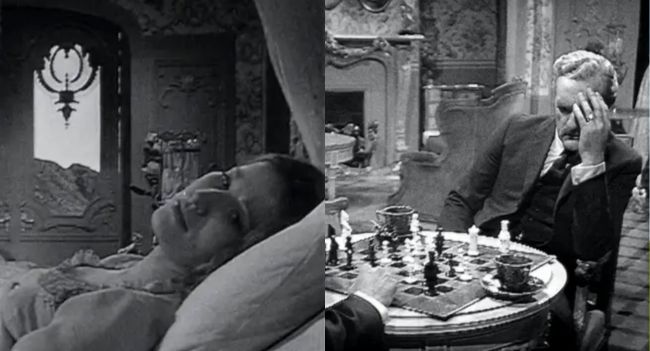
A FILM ONCE SAID TO BE “TOO SCARY TO EXIST”
Originally aired in 1968 as part of the BBC anthology series Late Night Horror, the episode follows a woman in a remote Transylvanian village who falls mysteriously ill, showing classic signs associated with vampiric infection — puncture wounds, unexplained weakness, and escalating paranoia as her condition worsens.
The episode was written by acclaimed genre writer Richard Matheson, whose work includes I Am Legend, giving the production a pedigree that has only intensified its cult reputation over time.
But shortly after broadcast, the series was abruptly cancelled amid viewer complaints. Over the following years, most archival copies of the episode were reportedly wiped — a practice not unusual for the BBC at the time due to cost-saving tape reuse policies.
What was unusual was what happened next: rumors spread that the film had been deliberately destroyed because it was considered too disturbing to ever re-air.
THE DISCOVERY INSIDE A LOCKED CINEMA STORAGE ROOM
According to film preservation accounts, the episode was recently recovered by cinema engineer and preservationist Darren Payne while inspecting old storage materials at a historic UK cinema.
Inside a mislabeled canister marked only with Late Night Horror, Payne reportedly found film reels that matched the lost episode — untouched for decades.
The condition of the footage, however, has raised immediate questions among restorers. The recovered version is not only incomplete in quality, but appears to differ from descriptions of the original broadcast in subtle but unexplained ways.
One archivist involved in preliminary inspection noted privately that “certain sequences feel shortened… as if something was cut out before storage.”
That detail has not been independently verified, but it has already become a focal point of speculation within restoration circles.
WHY THE BBC ERASED SO MUCH — AND WHY THIS CASE IS DIFFERENT
The BBC’s wiping policy between the 1950s and 1970s is well documented, with an estimated majority of television output from the era lost due to tape reuse.
However, Late Night Horror remains an unusual case even within that historical context. The series was cancelled rapidly, and multiple episodes have never been recovered.
What makes No Such Thing as a Vampire stand out is the intensity of its reputation. Even decades later, surviving audience recollections describe it as unusually unsettling for its time — with imagery involving illness, implied violence, and psychological deterioration rather than explicit horror effects.
Some critics now argue that its “forbidden” reputation may have been amplified over time by the absence of the original footage itself.
Others are less convinced.
THE QUESTION NO ONE CAN ANSWER YET
Restoration teams are currently attempting to stabilize and digitize the recovered film, with plans for a limited screening at a UK horror festival later this year.
But the biggest unresolved issue is not technical — it is historical.
Why does the surviving copy appear incomplete compared to documented broadcast notes?
And more controversially: if the BBC simply wiped the tapes as part of routine archival practice, why did rumors of deliberate destruction persist for over half a century?
At least one researcher involved in the restoration project has reportedly suggested that the recovered reels may not represent the final broadcast version at all — but an earlier or altered print.
That claim has not been confirmed, but it has already sparked renewed interest in whether additional copies may still exist… misfiled, mislabeled, or intentionally kept out of circulation.
For now, the truth behind No Such Thing as a Vampire remains as elusive as the creature it portrays — and the missing fragments of the film may hold the real story everyone has been trying to recover.