CLEVELAND, OHIO — The deeper the internet falls into the rabbit hole surrounding Mackenzie Shirilla, the more unsettling the story appears to become.
What began as renewed public fascination after the release of The Crash has now exploded into something far more chaotic—an endless stream of leaked jail calls, former inmate allegations, viral TikTok discussions, and online theories that are rapidly reshaping public perception of the convicted Ohio teen at the center of one of America’s most divisive true-crime cases.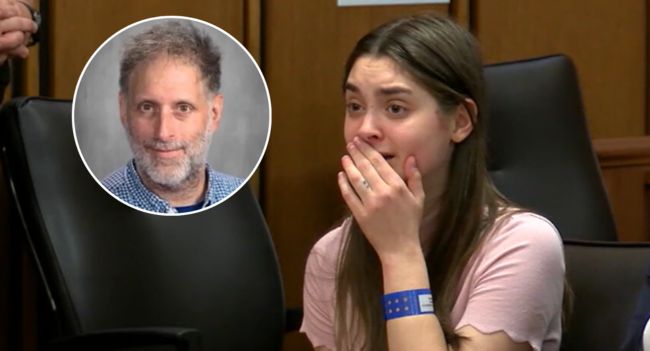
Shirilla, who was convicted after prosecutors argued she intentionally drove nearly 100 miles per hour into a brick wall—killing Dominic Russo and Davion Flanagan—continues insisting the crash was caused by a medical episode and that she has no memory of the impact itself.
But as Netflix viewers revisit the case, new controversies continue surfacing almost daily.
One of the biggest explosions online came after former inmates began publicly describing what they claim Shirilla was like behind prison walls. A former inmate alleged Shirilla behaved less like someone consumed by grief and more like a “queen bee” inside prison, describing her as socially active, appearance-focused, and unusually comfortable with the attention surrounding her case.
Another ex-inmate later made even stranger claims, alleging Shirilla used prison connections and online “sugar daddy”-style arrangements to receive money and attention while incarcerated.
None of the allegations have been independently verified in court. But online, the claims have detonated.
For some viewers, the accusations sharply contradict the emotional and subdued image presented in the Netflix documentary, where Shirilla repeatedly insisted she was “not a monster.” Others argue the internet has crossed into dangerous territory, turning a deeply tragic case into entertainment fueled by rumor, selective clips, and viral outrage.
Still, the speculation has only intensified because the case itself already carried layers of controversy long before Netflix arrived.
Prosecutors previously argued that vehicle data, steering patterns, and the lack of braking showed intentional action before impact. Online discussions have repeatedly revisited claims involving prior emotional threats, toxic relationship dynamics, and allegations that Shirilla may have driven near the crash location before the fatal night.
Supporters of Shirilla continue rejecting those conclusions, pointing instead toward her diagnosis involving POTS and claims that a medical blackout may have caused the crash.
But now, the conversation is shifting away from the crash itself—and toward who Shirilla allegedly became afterward.
Across TikTok, Reddit, and true-crime forums, internet users are dissecting everything from her jail phone calls to facial expressions in court footage, attempting to determine whether the woman seen in prison recordings is manipulative, traumatized, emotionally detached, or simply adapting to survival behind bars.
Yet amid the noise, one mystery continues pulling attention deeper.
Several online communities obsessing over the case claim there are still unreleased jail recordings and prison reports circulating privately among creators and former inmates that have never been fully published publicly. No official source has confirmed whether additional recordings actually exist.
But according to one person claiming knowledge of the situation, a particular unseen clip allegedly contains a conversation that would “completely change how people see her.”
No one has explained what was supposedly said.
And that unanswered detail may be exactly why the internet cannot stop spiraling around this case—because every new leak, allegation, and documentary revelation seems to leave the public with the same disturbing feeling: that something important is still hidden just outside the version everyone thinks they know.