For years, they existed largely in whispers.
Locked away from public view and shielded by legal arguments, a series of handwritten letters sent by then-Prince Charles to government ministers became one of the most controversial royal documents of the modern era. Known as the “Black Spider Memos” because of Charles’s distinctive, sprawling handwriting, the correspondence would eventually ignite a fierce battle over transparency, royal neutrality, and the limits of influence behind palace walls.
The controversy was never simply about letters.
It was about what those letters might reveal.
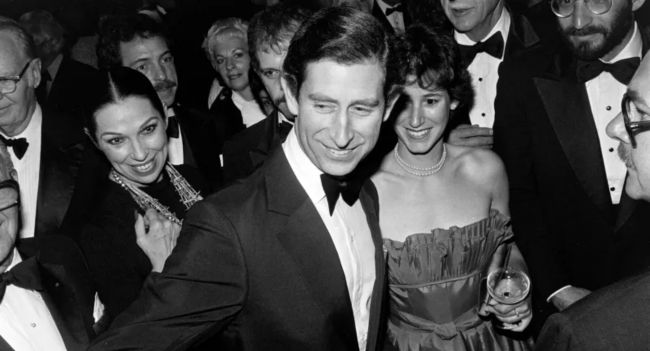
As heir to the throne, Charles occupied a uniquely delicate position. He was expected to remain politically neutral while preparing for a future role as monarch. Yet reports emerged suggesting that he had privately communicated with ministers on a wide range of issues, from environmental concerns and architecture to agriculture and public policy.
Almost immediately, questions began to surface.
Were these merely personal observations from a passionate royal figure? Or did they represent attempts to influence government decision-making from behind the scenes?
Officials resisted calls for disclosure, arguing that releasing the correspondence could undermine the constitutional relationship between future monarchs and elected governments. Supporters of secrecy insisted that heirs to the throne needed a confidential space to exchange views with ministers without fear of public scrutiny.
Critics disagreed.
They argued that any communication capable of influencing public policy should be subject to transparency, regardless of who authored it. The result was a prolonged legal and political struggle that stretched across years, drawing journalists, government departments, and constitutional experts into an increasingly heated debate.
When portions of the letters were eventually released, observers rushed to examine every detail. While many of the communications reflected Charles’s well-known interests and charitable concerns, the documents also offered a rare glimpse into how deeply engaged he was with issues affecting the nation.
The release generated headlines across Britain.
For some, the memos demonstrated a thoughtful and committed future king who cared deeply about public affairs. For others, they raised uncomfortable questions about whether the boundaries between royal influence and democratic governance had become blurred.
Yet one aspect of the story continues to fascinate royal watchers even today.
Despite years of legal challenges and public attention, many believe the full story of the Black Spider Memos has never been completely told. Questions remain about conversations that may have occurred beyond the written correspondence, as well as what discussions unfolded after individual letters reached government desks.
Former officials have consistently maintained that constitutional safeguards remained intact. Nevertheless, the secrecy surrounding the memos helped create an aura of mystery that has never entirely disappeared.
Adding to that intrigue is a little-discussed detail frequently cited by royal historians. Several observers have noted that the public ultimately saw only a snapshot of a much broader relationship between Charles and the political establishment. The letters themselves may have become famous, but what occurred around them—the meetings, reactions, private exchanges, and unseen context—remains largely hidden from view.
Now, as Charles sits on the throne as King, the Black Spider Memos have taken on renewed significance. They are no longer viewed merely as controversial letters from an outspoken prince but as a window into the mindset of a man who spent decades preparing for kingship while navigating the strict expectations imposed upon the Royal Family.
And according to one former Whitehall insider, there may still be a forgotten piece of the puzzle buried deep within government archives—a detail that never made headlines at the time, yet could explain why some officials fought so fiercely to keep the correspondence hidden for as long as they did.