“A DEADLY VIRUS HIDING AT SEA, A STRANDED CRUISE SHIP, PANICKED GOVERNMENTS AND A MYSTERIOUS ILLNESS NOW SPREADING ACROSS EUROPE”: Inside the Terrifying MV Hondius Hantavirus Outbreak That Has Triggered Global Alarm, Emergency Evacuations and Fears of Rare Human-to-Human Transmission
What began as a luxury polar expedition across the South Atlantic has rapidly transformed into one of the most disturbing international health scares of 2026 — a deadly outbreak aboard the Dutch cruise ship MV Hondius that has already left multiple passengers dead, several others critically ill, and health agencies across Europe scrambling to trace potentially exposed travelers.
The crisis escalated dramatically this week after Swiss authorities confirmed that a former passenger who had already disembarked from the vessel tested positive for the rare Andes strain of hantavirus shortly after returning home to Zurich. Officials say the man is now being treated in hospital while his wife remains in self-isolation under close monitoring.
The development marked a chilling turning point in an outbreak that had previously seemed trapped aboard the isolated vessel floating off the coast of West Africa. Suddenly, the virus was no longer confined to a quarantined ship in the Atlantic — it had reached mainland Europe.
The MV Hondius, an expedition cruise ship carrying nearly 150 passengers and crew members from more than 20 countries, departed from Ushuaia, Argentina in early April for what was supposed to be a once-in-a-lifetime voyage through Antarctica and remote Atlantic islands. But somewhere along the journey, passengers began falling violently ill.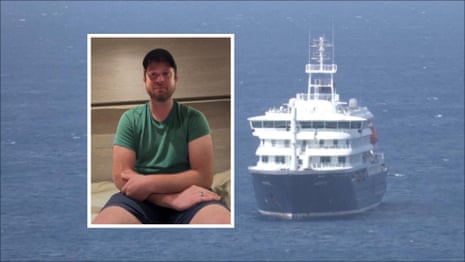
The first death occurred on April 11, when an elderly Dutch passenger reportedly died onboard after developing severe respiratory symptoms. Weeks later, his wife — who had been evacuated from the ship to South Africa — also died in hospital. Another passenger later died aboard the vessel, while several others became critically sick.
By early May, the World Health Organization had confirmed multiple suspected and laboratory-confirmed cases linked to the outbreak, including infections associated with the Andes strain — the only known hantavirus subtype capable of spreading from person to person, although such transmission is considered extremely rare.
That detail alone was enough to send alarm bells ringing among global health authorities.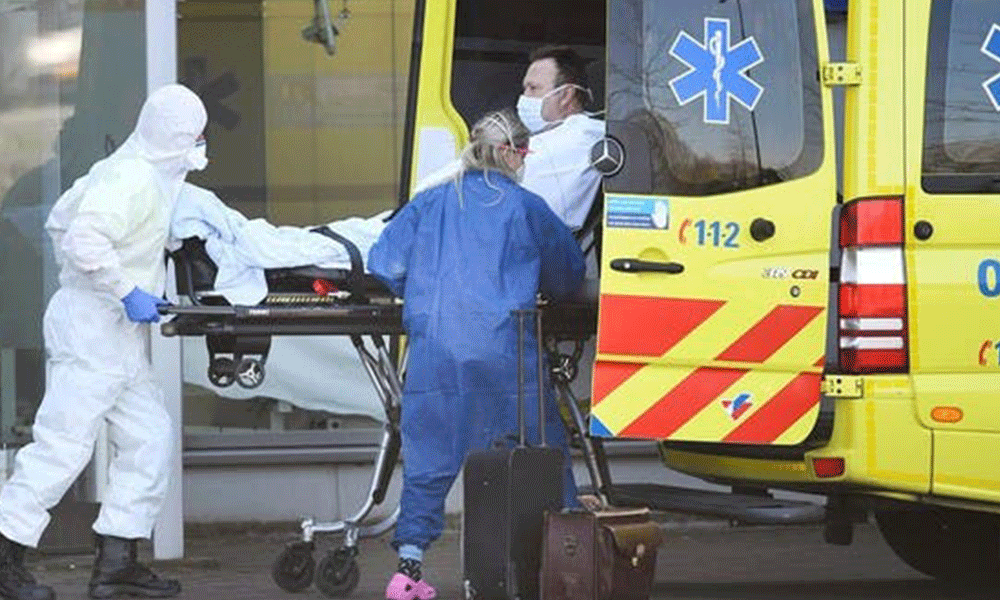
Unlike most hantavirus infections, which are typically contracted through exposure to rodent droppings or contaminated dust, the Andes strain has historically shown limited human-to-human transmission in close-contact settings. The mortality rate associated with severe cases can reportedly reach around 40 percent.
As panic spread onboard, passengers described scenes eerily reminiscent of the early days of the COVID-19 pandemic: cabin isolation orders, meals delivered behind closed doors, medical staff in protective gear, and growing uncertainty about whether anyone would be allowed to disembark safely.
Photographs circulating online showed suspected infected passengers being wheeled away on stretchers by hazmat-suited medical teams after emergency evacuations from the ship. At least three patients — including the ship’s doctor — were airlifted to hospitals in the Netherlands and Germany for urgent treatment.
The outbreak soon triggered diplomatic tension across multiple countries.
Cape Verde initially refused to fully receive the vessel, leaving it stranded offshore for days while authorities debated the public health risk. Later, Spain agreed to allow the ship to sail toward Tenerife in the Canary Islands despite fierce opposition from regional leaders worried about repeating the trauma of COVID-era cruise ship outbreaks.
Meanwhile, governments around the world began racing to identify and monitor passengers who had already left the ship before the outbreak became public. Reuters reported that authorities in countries including the United States, France, Argentina and the United Kingdom are now involved in international contact-tracing operations tied to the cruise.
Even more concerning, investigators are still trying to determine exactly how the virus first entered the ship.
One leading theory suggests that the original infected passengers may have contracted the virus during a birdwatching excursion in Argentina before boarding the cruise. Argentine health officials are reportedly tracing the travelers’ movements across South America and conducting rodent testing as part of a widening epidemiological investigation.
For now, the WHO maintains that the overall public risk remains low. But the appearance of a confirmed European case — combined with the possibility of rare human-to-human transmission — has transformed what once looked like an isolated maritime outbreak into a fast-moving international health story that continues to grow darker by the day.