The tragic death of legendary bull rider Lane Frost at Cheyenne Frontier Days in 1989 remains one of the most defining and emotional moments in rodeo history, an incident that not only shocked the sport but also reshaped how safety and emergency medicine are handled inside the arena.
Frost, a rising star and PRCA world champion, died after being thrown and struck by a bull following a successful ride at the historic Cheyenne Frontier Days rodeo in Wyoming, an event that would later be remembered as a turning point for protective equipment and rapid-response medical systems in the sport.
A FATAL MOMENT THAT CHANGED THE SPORT
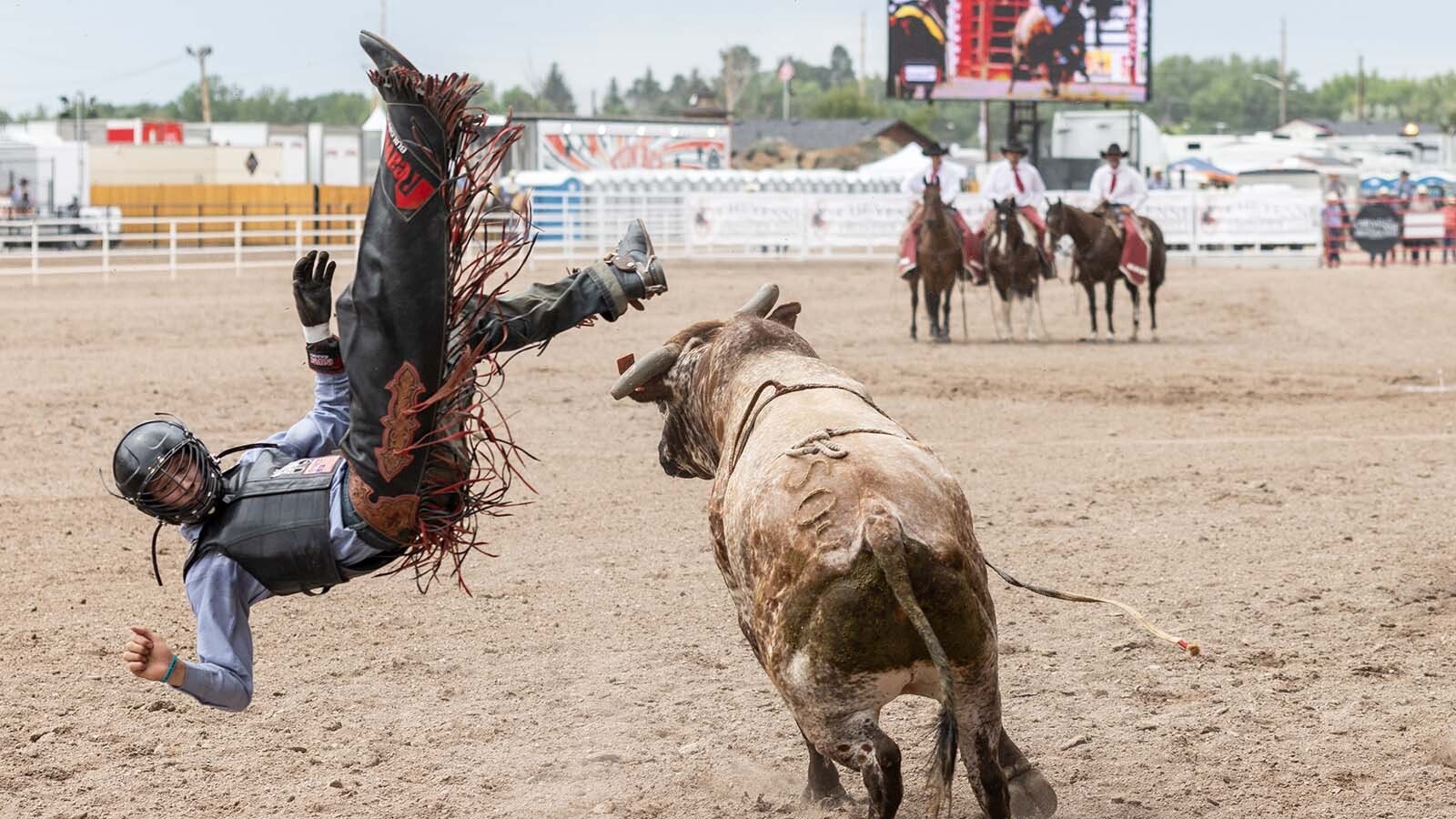
After completing an 85-point ride, Frost dismounted and was struck by the bull, suffering severe internal injuries that ultimately proved fatal before he could be transported for advanced medical care.
The incident sent shockwaves through the rodeo community and exposed critical gaps in protective gear and on-site emergency response at the time.
In the aftermath, the sport began a slow but significant transformation—one that would eventually lead to mandatory protective vests and improved safety protocols for riders across professional circuits.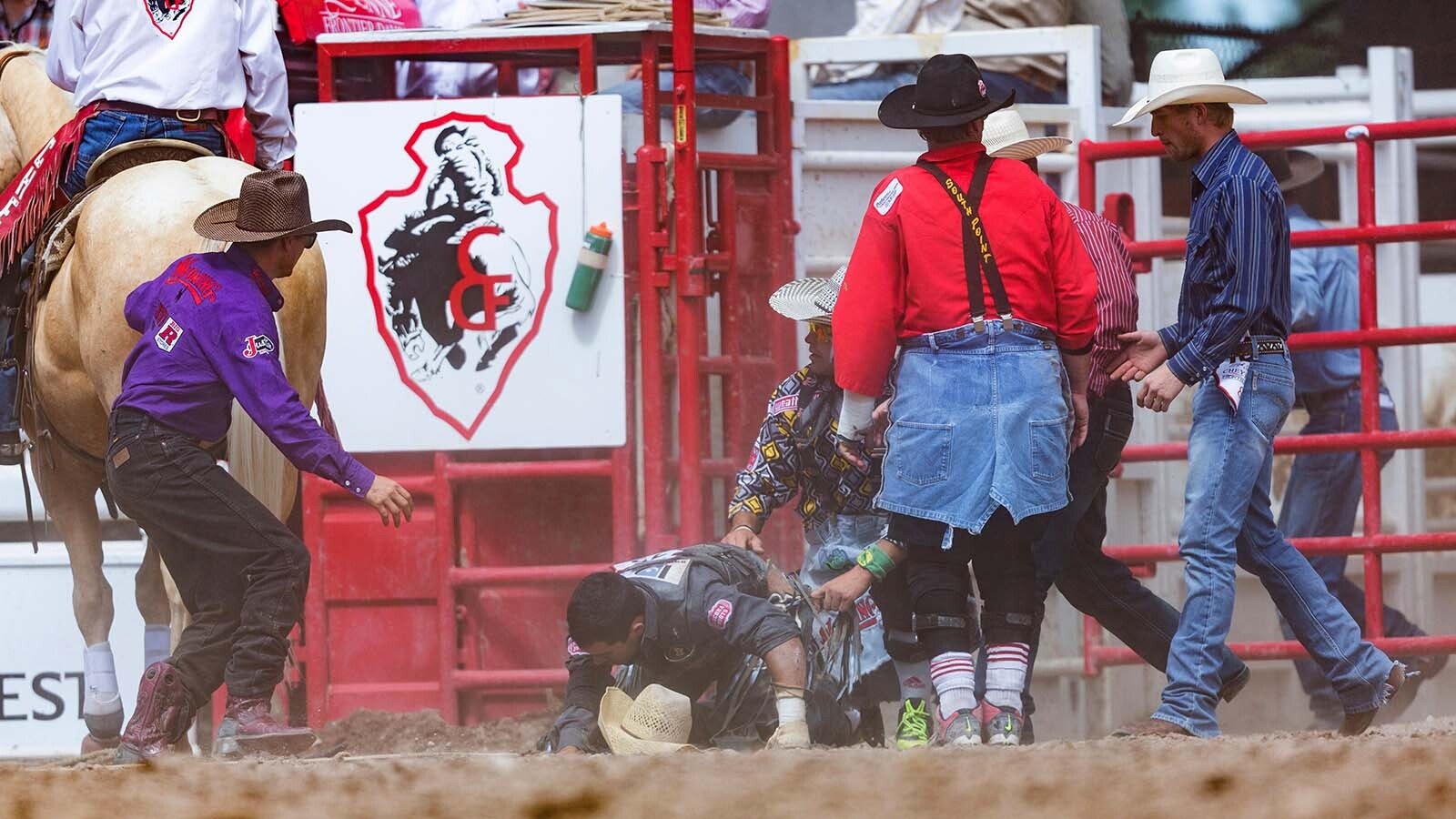
THE SAFETY EVOLUTION THAT FOLLOWED
One of the most direct outcomes of Frost’s death was the development and adoption of protective vests for bull riders, designed to reduce trauma from horn strikes and impact injuries.
Industry veterans and medical professionals have often pointed to the event as a catalyst for modern rodeo medicine, where rapid intervention and coordinated emergency response have become standard practice.
FAST-FORWARD TO THIS SUMMER AT CHEYENNE FRONTIER DAYS
Decades later, the legacy of that turning point was visible again at the same event this summer, when rodeo medical personnel were forced into immediate action to save the life of a Cheyenne Frontier Days crew member who suffered a life-threatening chest injury from a bucking horse.
Medical teams performed emergency resuscitation on-site before transporting the injured worker to hospital care, highlighting how far rodeo medicine has evolved since 1989.
A CONTINUOUS LINE BETWEEN THEN AND NOW
Experts note that the connection between the two events is more than symbolic—it reflects a direct evolution in how rodeo safety is structured, from reactive response in the late 1980s to highly coordinated, multi-team medical systems today.
What once was a sport with limited protective infrastructure now relies on trained trauma teams, coordinated emergency protocols, and rapid transport systems designed specifically for high-risk rodeo environments.
A LEGACY STILL WRITTEN IN EVERY RIDE
While Lane Frost’s story remains one of tragedy, it also stands as the foundation for many of the safety advancements that continue to save lives in rodeo arenas today.
And as this summer’s incident proved, the lessons born in 1989 are not historical footnotes—they are still actively shaping survival outcomes every time riders and crews step into the arena.