‘LIKE A LOTTERY WINNER’: DIANA’S BROTHER CLAIMS KING CHARLES SOUNDED ‘GIDDILY ELATED’ AFTER HER DEATH — AS HE REVEALS THE PHONE CALL DAYS LATER THAT LEFT HIM STUNNED
Earl Spencer has reopened one of the most painful chapters in royal history with extraordinary claims about King Charles’s reaction to Princess Diana’s death — alleging the then-Prince sounded strangely upbeat just hours after the tragedy in Paris.
Nearly three decades after Princess Diana’s death sent shockwaves around the world, her brother has offered a dramatic new account of what he says was unfolding behind palace doors.
Earl Charles Spencer claims the future King sounded “giddily elated” when the two men spoke on the morning Diana died, comparing his apparent mood to that of someone who had just won the lottery.
The extraordinary allegation appears in Spencer’s forthcoming memoir, Swan Song: Diana, My Sister, in which he revisits Diana’s troubled marriage, her final years and the bitter discussions that followed her death aged just 36.
But according to Spencer, the first conversation with Charles was only the beginning.
Days later, as the Royal Family faced an unprecedented wave of public grief and difficult decisions were being made about Diana’s funeral, another telephone call would take place between the two men.
It is that conversation — and one sentence Spencer says Charles uttered during it — that has now triggered an unusually pointed response from Buckingham Palace.
THE CALL THAT LEFT DIANA’S BROTHER UNEASY

Spencer recalls being contacted by the then-Prince of Wales after Diana was killed in the Paris car crash on August 31, 1997.
Charles told him that William and Harry had already been informed of their mother’s death at Balmoral.
Yet Spencer says something about the way the conversation unfolded immediately felt wrong to him.
Rather than hearing the devastation he expected following an event of such enormous magnitude, Spencer recalls Charles sounding strangely matter-of-fact — and even, in his interpretation, unusually buoyant.
Looking back almost 30 years later, Spencer offers an even more controversial theory.
He says he suspects Charles’s thoughts may have turned towards how Diana’s death could change his own future and remove one of the obstacles that had complicated his long relationship with Camilla Parker Bowles.
It is Spencer’s interpretation of Charles’s state of mind rather than a motive Charles himself is recorded as having expressed.
Charles and Camilla eventually married in 2005, eight years after Diana’s death.
A MARRIAGE THAT HAD ALREADY COLLAPSED
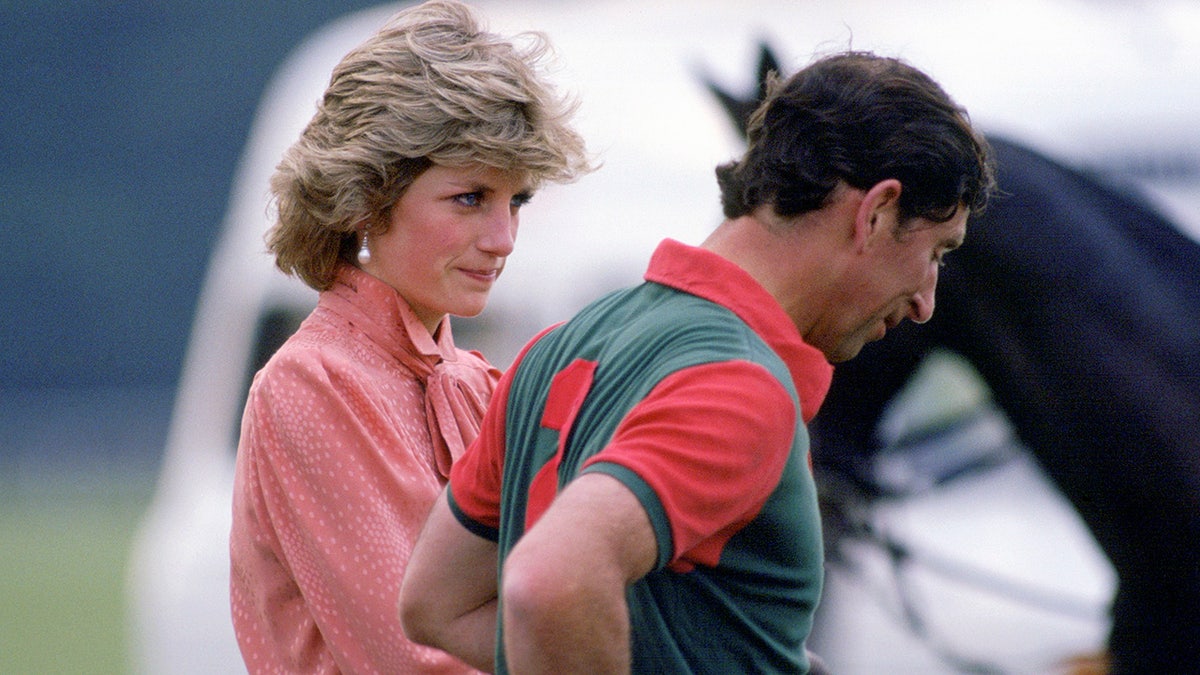
By the time Diana died, her marriage to Charles had been over for years.
The couple separated publicly in 1992 before their divorce was finalised in August 1996.
Their turbulent relationship had become one of the most intensely scrutinised royal stories of the modern era, with both Charles and Diana speaking publicly about the breakdown of their marriage.
Yet Spencer’s memoir goes further back, presenting deeply personal memories and conversations that he says reveal how unhappy his sister had become.
Among his most disturbing claims is that Diana experienced periods of profound emotional distress during the final years of her life.
Spencer writes that on more than one occasion she drove alone to the cliffs at Beachy Head in East Sussex while contemplating ending her life.
According to her brother, thoughts of William and Harry ultimately stopped her.
The claim paints an agonising picture of the woman behind the global celebrity — someone whose public confidence masked periods of intense private turmoil.
THEN CAME THE BATTLE OVER THE FUNERAL
In the days following Diana’s death, Britain witnessed scenes unlike anything the monarchy had faced in modern times.
Flowers piled up outside royal residences. Crowds gathered in their thousands. Public anger grew alongside grief as the Palace struggled to respond to the scale of emotion surrounding Diana.
Behind closed doors, according to Spencer, another battle was taking place.
At the centre of it was Diana’s funeral — and particularly the question of who should walk behind her coffin.
William was just 15. Harry was only 12.
Spencer says he strongly objected to the two boys being expected to make the long public procession behind their mother’s coffin while millions watched around the world.
The disagreement placed him on a collision course with Charles.
And it was during one increasingly tense telephone exchange, Spencer alleges, that the future King said something he found impossible to forget.
Spencer claims Charles told him: “Rest assured, we’ll forget her soon enough.”
He says he was so stunned by the remark that he challenged Charles before ending the call.
The King has not publicly accepted Spencer’s account of that conversation.
PALACE BREAKS ITS SILENCE
Buckingham Palace’s reaction has been striking precisely because the Royal Household usually avoids engaging directly with claims made in books about the family.
This time, however, it responded.
A Palace spokesman said that while the Royal Household does not generally comment on books, the King is conscious that “fraternal grief can cloud reason” and can affect judgment and memory many years after a loss.
It amounted to an unmistakable challenge to Spencer’s version of events without individually rebutting every allegation in the memoir.
Spencer has since stood by his recollection.
He says the alleged remark was so shocking that he told close friends and family about it at the time, rejecting the suggestion that almost three decades of grief had distorted his memory.
The dispute has therefore become more than another disagreement over the past.
It is now an extraordinary clash between Diana’s brother and the man who was once her husband — each side offering a sharply different interpretation of events surrounding one of the darkest weeks in recent royal history.
THE WOMAN AT THE CENTRE OF IT ALL
Diana died following the crash in the Pont de l’Alma tunnel in Paris shortly after midnight on August 31, 1997.
Her death transformed Britain overnight.
The scale of public mourning placed extraordinary pressure on the monarchy, while the sight of William and Harry walking behind their mother’s coffin became one of the defining images of the funeral.
Alongside them were Charles, Prince Philip and Earl Spencer.
For the watching public, the procession appeared solemn and unified.
Spencer’s new account suggests that behind that image lay arguments, resentment and fundamentally different views over how Diana — and her sons — should be treated.
His memoir arrives as interest in Diana remains undiminished almost three decades after her death.
But its most explosive passages are not simply about what happened in Paris or the enormous public reaction that followed.
They concern the private conversations that took place when the cameras were absent.
And among all Spencer’s recollections, it is the alleged telephone exchange with Charles in the days after Diana’s death that may prove the most difficult for the Palace to leave in the past.
Because while Buckingham Palace has now openly questioned Spencer’s interpretation and memory, Diana’s brother insists there is one thing about that conversation he has never doubted:
He remembers exactly what he believes he heard.