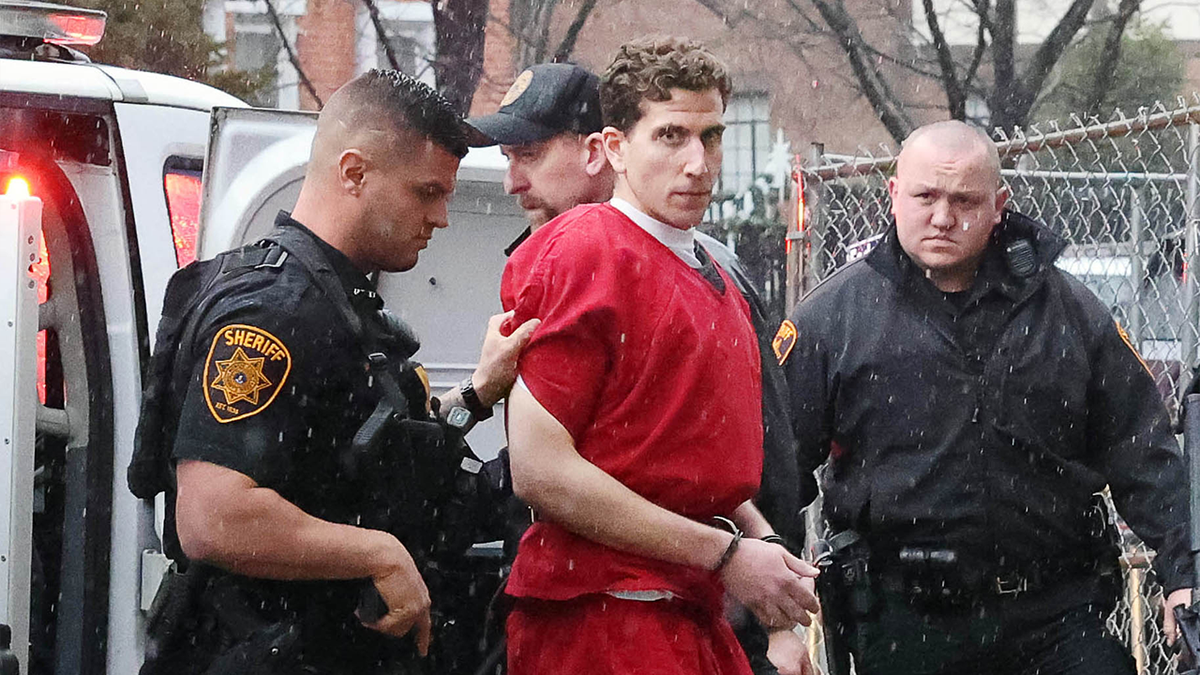
Unsealed Memo Reveals Concerns Over Bryan Kohberger’s Capacity to Plead Guilty
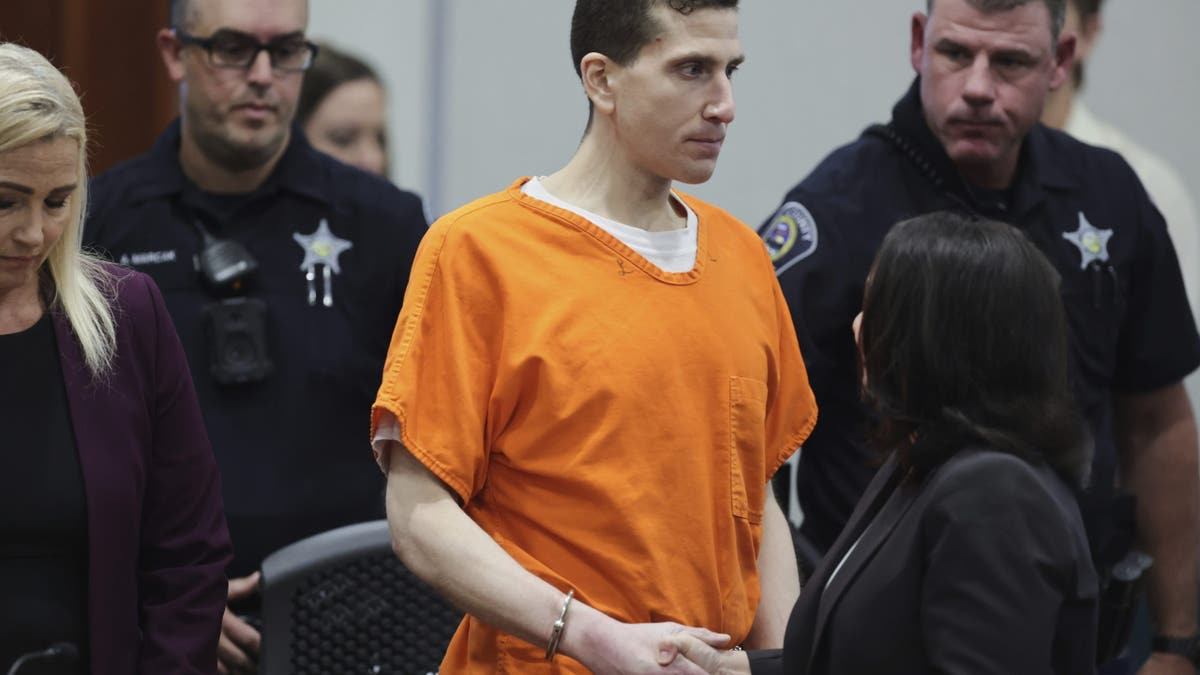
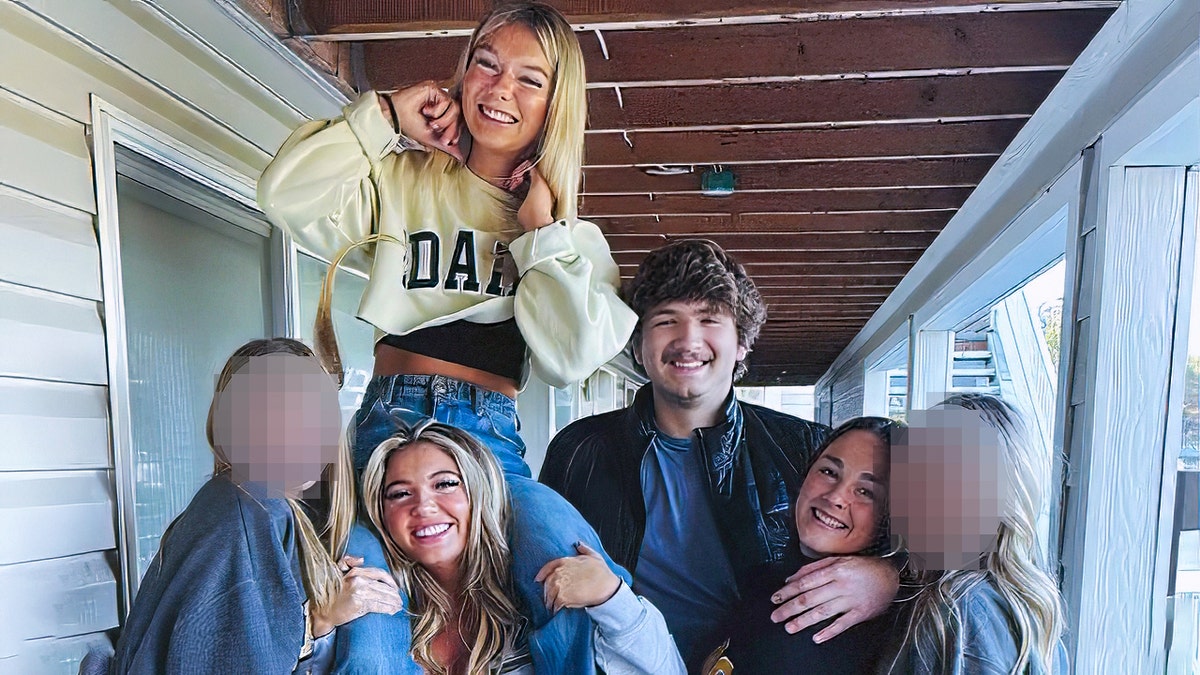
Newly unsealed court documents in Idaho reveal that prior to Bryan Kohberger entering a guilty plea for the November 2022 murders of four University of Idaho students, his original trial defense team warned the court that he struggled to “rationally understand” the proceedings and make “consequential decisions.”
Kohberger, 31, is currently serving four consecutive life sentences without the possibility of parole plus 10 years at the Idaho Maximum Security Institution. His post-conviction relief (PCR) attorney, Greg Rauch, is leveraging these disclosures to challenge the plea and seek to disqualify presiding Judge Steven Hippler.
Key Revelations from the August 2025 Filing
The newly unsealed August 27 supplemental memorandum details private warnings submitted ex parte by Kohberger’s original lead public defender, Anne Taylor, in May 2025:
-
Difficulty Processing Adverse Rulings: The memo states that Kohberger struggled to comprehend adverse legal decisions—such as the denial of motions to strike the death penalty, suppress evidence, or exclude witness testimony—and could not “meaningfully incorporat[e] those developments into a rational assessment of the case and its potential outcomes.”
-
Need for Expert Assistance: Trial counsel had petitioned Judge Hippler for a continuance, arguing they required extra time to investigate Kohberger’s decision-making ability and retain specialized experts to communicate with him effectively regarding a potential non-trial resolution.
-
Competency vs. Rational Decision-Making: While defense attorneys explicitly maintained that Kohberger was not legally incompetent, they argued he lacked the capacity to weigh major strategic crossroads, specifically whether to take the stand in his own defense or accept a life-plea agreement.
The Crucial Six-Day Window
A focal point of the current post-conviction petition is the rapid succession of events leading up to the plea:
| Date | Legal Development |
| May 20, 2025 | Defense files a sealed supplement alerting the court to Kohberger’s difficulties evaluating the case and requesting expert communication assistance. |
| June 26, 2025 | Judge Hippler issues a sealed order rejecting the defense’s request for a continuance, ruling good cause had not been established. |
|
July 2, 2025
(6 days later)
|
Kohberger reverses his long-standing posture of standing silent and formally enters a guilty plea to four counts of first-degree murder. |
| July 23, 2025 | Sentenced to four consecutive life terms without parole plus 10 years at the Ada County Courthouse in Boise. |
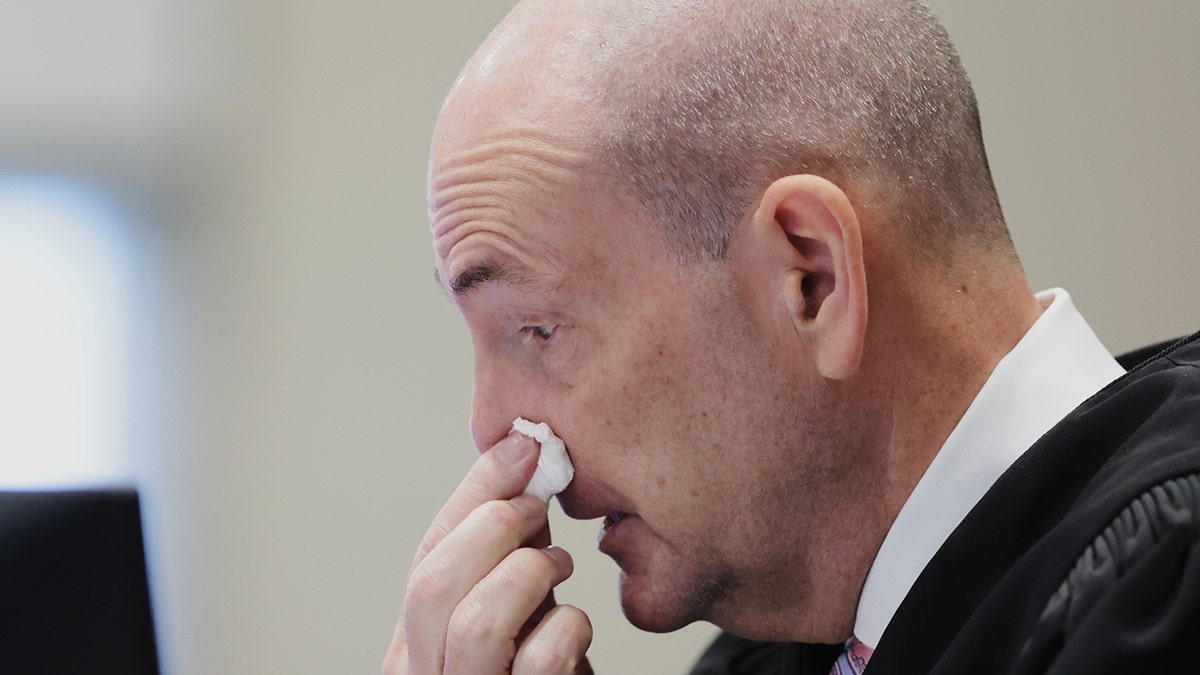
Judge Hippler Unseals the Records
Kohberger’s current attorney, Greg Rauch, initially filed the memo under seal to avoid violating earlier non-disclosure and gag orders. However, Judge Hippler ordered the document unsealed, dismissing the defense’s argument that its contents were privileged or personally harmful:
“The Court disagrees that the information contained in the Supplemental Memorandum is intimate, protected or will result in harm if disclosed. It simply describes in very general terms trial counsel’s concerns about Petitioner’s difficulty in comprehending adverse rulings and understanding their effect on the outcome of the case.”
The Path Forward

Rauch argues that whether or not the plea was constitutionally invalid, the record establishes a critical factual issue for the PCR court: whether Kohberger had sufficient time, legal guidance, and medical assistance to enter a knowing, voluntary, and rational guilty plea just days after his defense raised alarms about his state of mind.
The State of Idaho is actively seeking a summary dismissal of Kohberger’s bid to withdraw his plea, while hearings on the post-conviction relief petition are slated to proceed into 2027.