Did Lizzie Borden Actually Become a Suffragette? The Reality Behind ‘Monster’s Finale
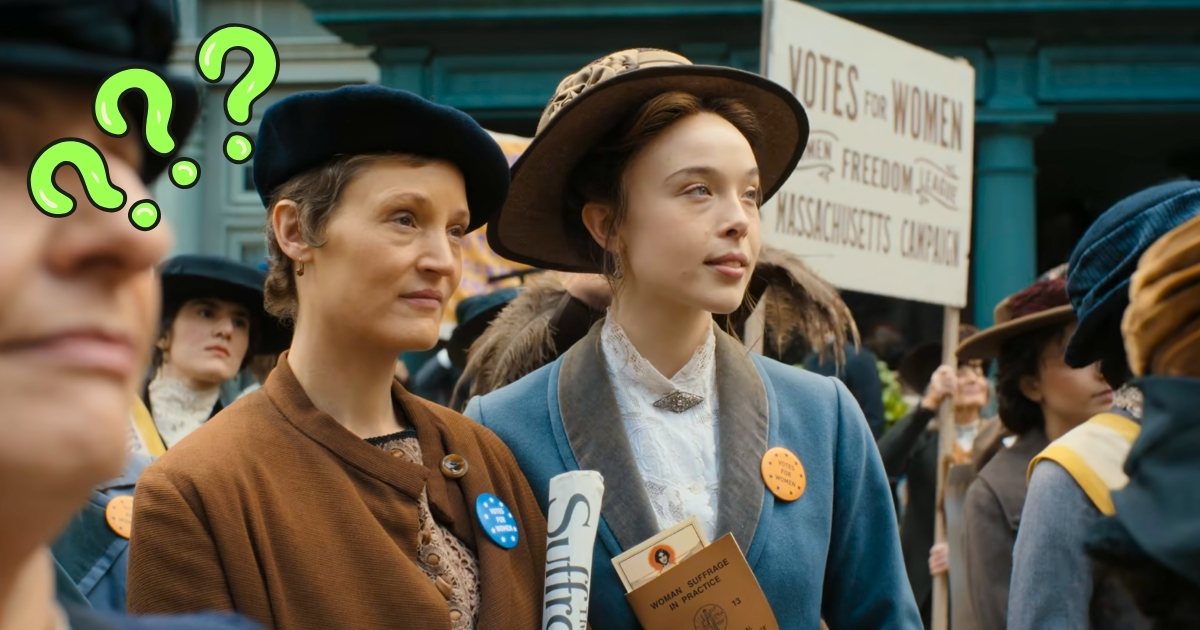
In the closing act of Monster: The Lizzie Borden Story, Ryan Murphy and Ian Brennan deliver one of their most sweeping biographical rewrites: after sister Emma abandons Maplecroft, housemaid Bridget Sullivan returns, and the two women reconcile, enter a relationship, and pour Lizzie’s vast inheritance into the women’s suffrage movement. The finale culminates in a jump to 1920, showing Lizzie and Bridget celebrating the ratification of the 19th Amendment alongside marching suffragettes before spiraling into a closing sequence with Aileen Wuornos.
Historically, this redemption arc is pure fiction.
The Historical Fact Check
| On-Screen Fiction (Monster) | Historical Reality |
| Lizzie the Suffragette | There is zero historical evidence in letters, ledgers, or contemporary newspapers that Lizzie Borden was involved in the women’s suffrage movement or financed activist organizations. |
| Bridget’s Romantic Return | Bridget Sullivan never returned to Lizzie. After testifying in 1893, she left Massachusetts, resurfaced in Montana, married a smelter named John Sullivan in 1905, and lived in Butte until her death in 1948. |
| Lizzie’s Actual Later Years | Following her acquittal and the move to Maplecroft, Lizzie became a social pariah in Fall River. She spent her fortune on theater trips to Boston and New York, lavish carriage rides, caring for stray animals, and leaving large bequests to the Animal Rescue League. She died of pneumonia in 1927 at age 66. |
| Emma & Lizzie’s Break | Emma did leave Maplecroft in 1905, but it was driven by Lizzie’s lavish lifestyle and scandalous association with actress Nance O’Neil—not a dispute over feminist activism. The sisters never spoke again. |
Why the Show Invented the Suffrage Arc
Executive producer and director Max Winkler and co-creator Ian Brennan altered Lizzie’s final years to serve the season’s core thesis: female rage, patriarchal repression, and women “put in cages” throughout history.
-
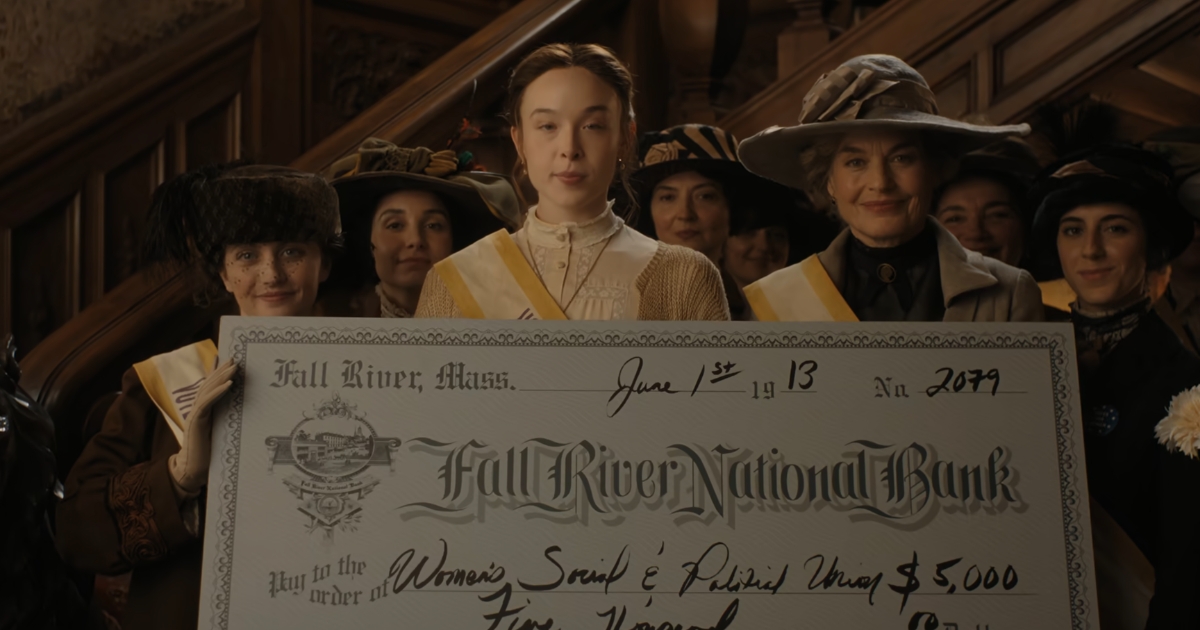
Making Lizzie’s Life “Mean Something”: Winkler explained to Showbiz Junkies that post-acquittal Lizzie needed a narrative purpose that aligned with the show’s interpretation of systemic oppression:“It’s not just Lizzie Borden, but linking Lizzie Borden to these other women throughout history who were also put in cages and put upon, and what happens to people after years and years of oppression, which is almost always that they fight back… Post-Lizzie’s trial, how we wanted to end the show was very much about our interpretation of Lizzie Borden and what she meant to history.”
-
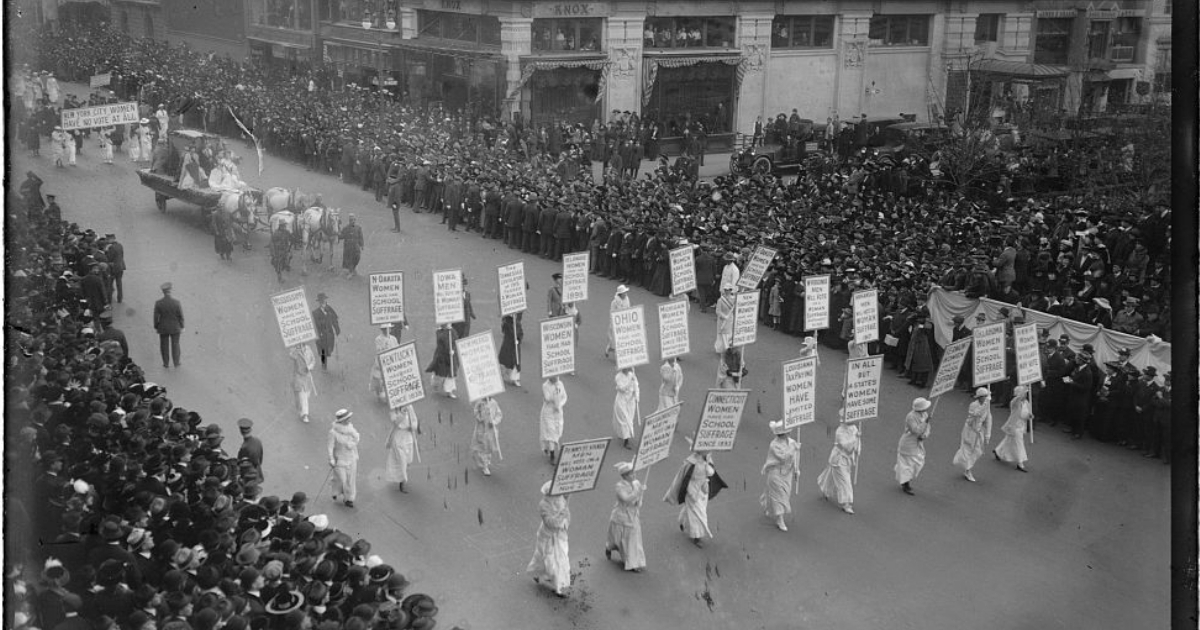
The Paradox of 1890s Male Chauvinism: Co-star Billie Lourd (Emma Borden) pointed out to The Hollywood Reporter that Victorian attitudes toward women cut both ways during the 1893 trial. The all-male jury acquitted Lizzie largely because society viewed women as too gentle and politically powerless to commit savage violence:“No one could believe that a woman could do something like this. Women didn’t even have the right to vote. How could they kill someone? So it’s interesting to look at this through this lens of 1800s men who didn’t think women were capable of this… with a jury that was all men.”
-
Completing the Thematic Arc: Tying Lizzie to the 1920 milestone allows the series to transform an unsolved, grisly domestic crime into a symbolic crusade against Victorian disenfranchisement—even if the real Lizzie lived out her post-trial days in quiet, isolated domestic comfort.