Fact Check: Did Nance O’Neil Use Lizzie Borden for Her Money in Real Life?
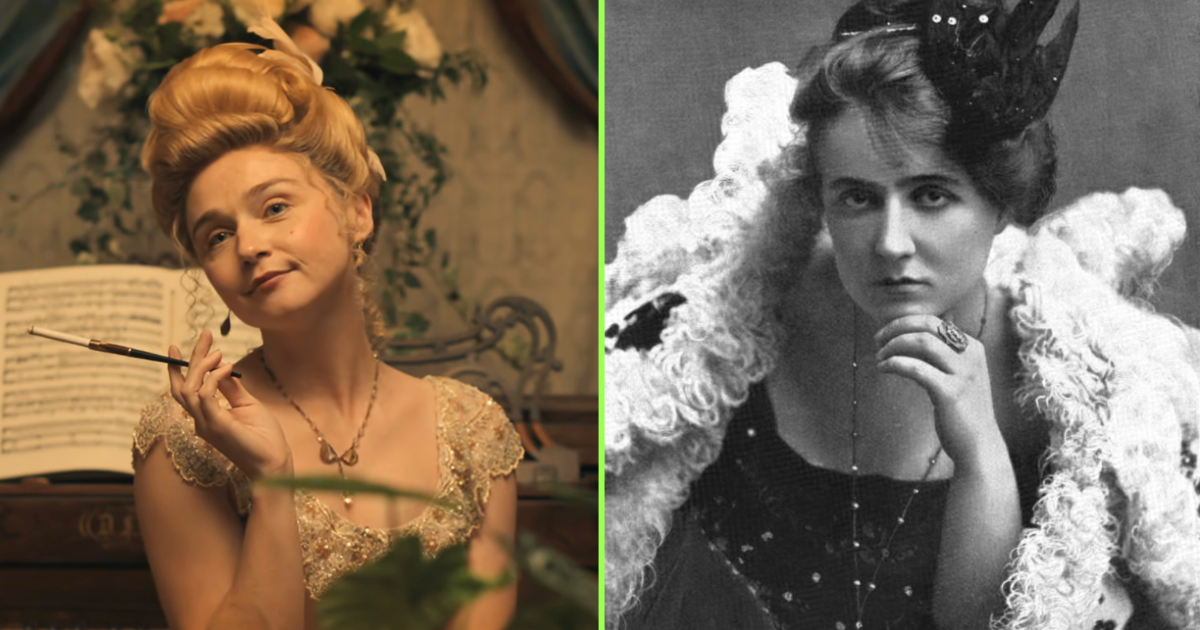
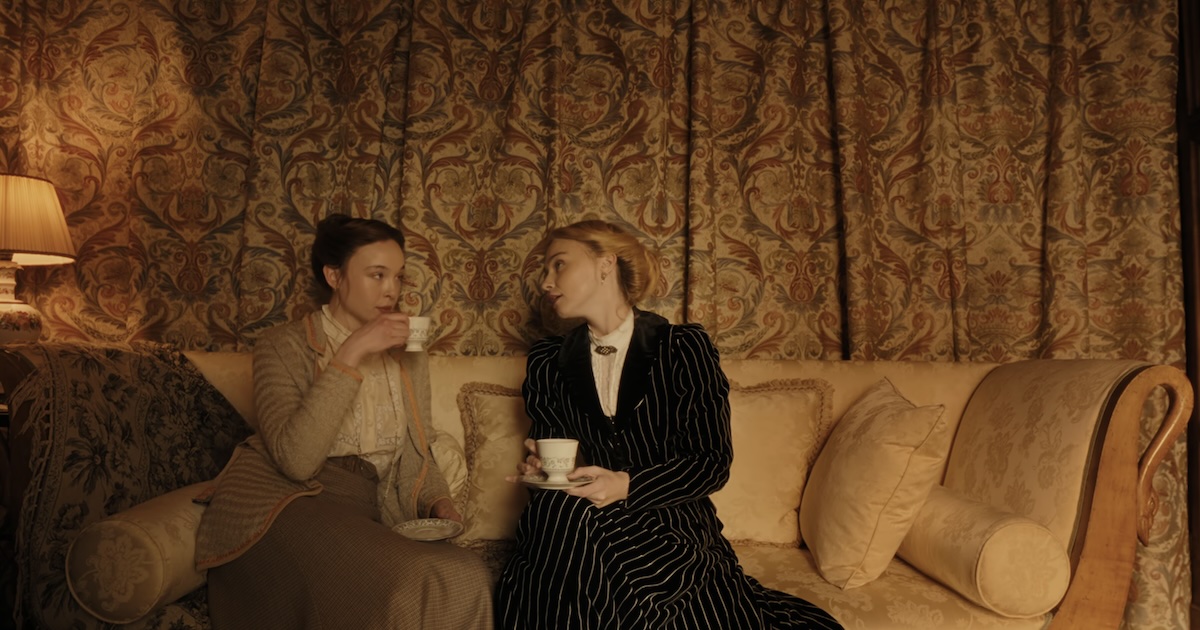
In Monster: The Lizzie Borden Story, Ryan Murphy and Ian Brennan compress decades of history to introduce stage actress Nance O’Neil (Jessica Barden) to Lizzie Borden (Ella Beatty) before the 1892 double homicide, depicting O’Neil as both an acting coach who preps Lizzie to fool the jury and a mercenary opportunist draining her fortune.
While the show completely rearranges the timeline, historical documentation confirms that O’Neil did indeed extract significant financial support from Borden that was never repaid.
Timeline Compression vs. Historical Fact
| Narrative Element | Netflix’s Monster Portrayal | Historical Reality |
| When They Met | Introduced prior to August 1892; Nance coaches Lizzie to act meek and innocent at her 1893 trial. | False. The pair did not meet until 1904 in Boston—more than a decade after Lizzie’s acquittal. |
| Financial Backing | Lizzie acts as a primary patron, funding Nance’s worldwide theatrical tours and transition to Hollywood film. | Documented reality. Lizzie spent lavishly on O’Neil and her theatrical circle, hosting elaborate parties at Maplecroft, funding a down payment on a farm, and extending personal loans. |
| Unpaid Debts | Depicts Nance returning to ask for “quite a bit more” money from Lizzie’s inherited fortune. | True. In Queen of Tragedy: The Career of Nance O’Neil, biographer Tina Kate Rouse notes that in 1905, Lizzie wrote letters to mutual friend Ricca Allen bitterly complaining of large outstanding loans to O’Neil that were never reimbursed. |
| Romantic Connection | Explores an intense, covert romantic attraction between the two women. | Ambiguous. While Victorian society and Fall River neighbors gossiped heavily about the intensity of their bond (which contributed to sister Emma Borden permanently moving out of Maplecroft in 1905), whether the relationship was physically intimate remains historically unproven. |
Maplecroft and the Aftermath of Their Fallout
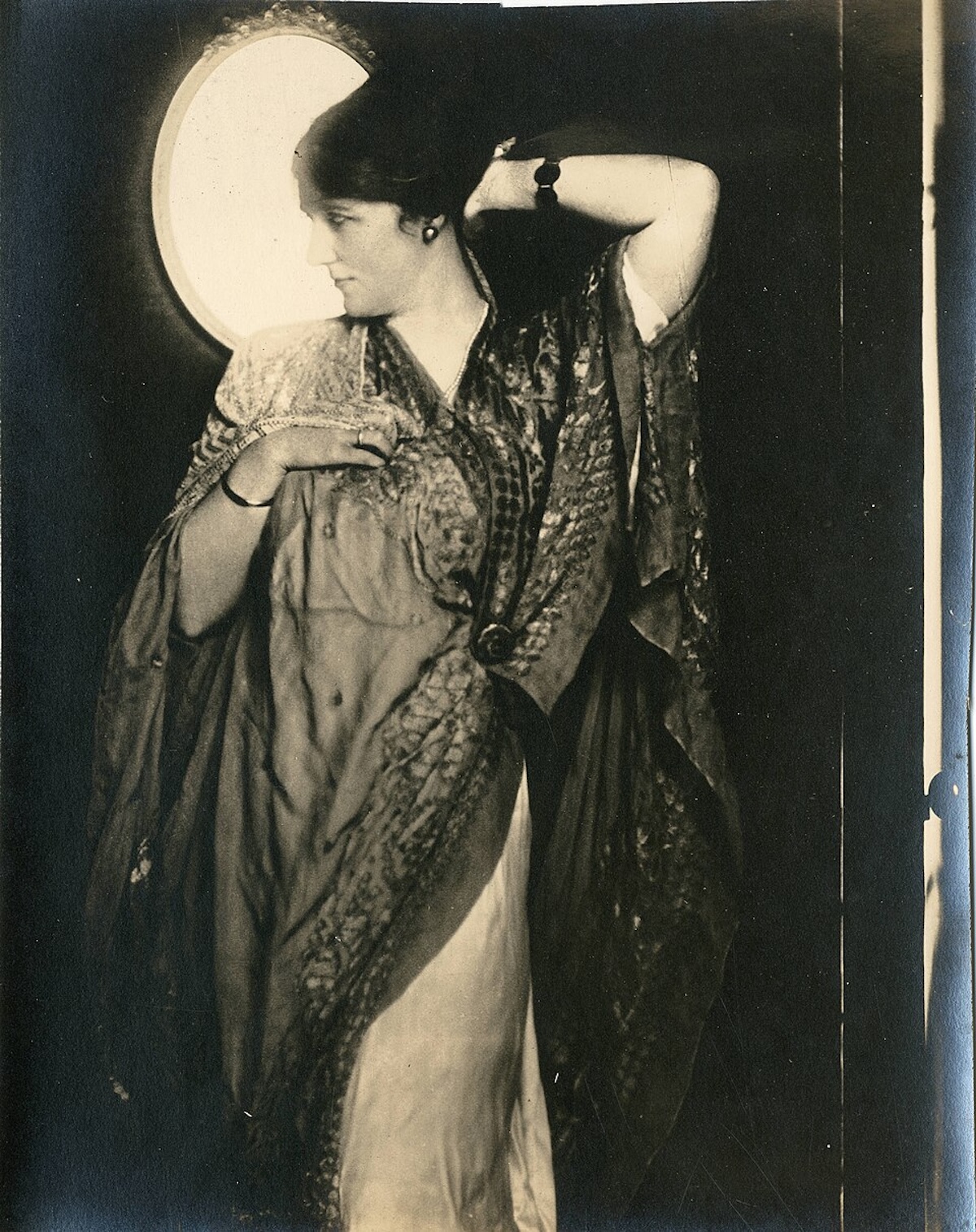
Lizzie and her sister Emma inherited roughly $300,000 following Andrew Borden’s death (equivalent to upwards of $10 million today), allowing Lizzie to purchase Maplecroft, a luxurious Queen Anne Victorian mansion on “The Hill” in Fall River.
Lizzie’s infatuation with the theatrical world and her open-handed financial underwriting of O’Neil proved so socially scandalous that it caused the final, permanent rift with Emma in 1905. Soon after the loan dispute that same year, Borden and O’Neil severed ties entirely:
-
O’Neil’s Perspective: Decades later, O’Neil characterized their brief, intense association dismissively as “ships that pass in the night,” insisting they never once spoke of the 1892 murders.
-
Hollywood Success: O’Neil achieved the screen career she envisioned, starring in silent films and early talkies such as The Rogue Song, Frank Capra’s Ladies of Leisure (1930), and the Best Picture winner Cimarron (1931).
-
Final Years: O’Neil outlived Lizzie by nearly four decades, passing away in February 1965 at age 90 at the Lillian Booth Actors Home in New Jersey.
While Monster invents the pre-trial dynamic for dramatic effect, biographer Tina Kate Rouse’s historical verdict remains definitive: regardless of the emotional depth between them, O’Neil undeniably capitalized on Borden’s wealth.