The ‘Monster’ Cinematic Universe: How Ryan Murphy Threads Real Killers Across Every Season
Ryan Murphy and Ian Brennan’s Monster anthology has evolved from self-contained true-crime docudramas into an interconnected network of American and global criminal history. Rather than confining each entry strictly to its title subject, the creative team routinely deploys guest appearances, parallel timelines, and thematic cameos to contextualize each killer within the wider cultural architecture of mass violence.
The Web of Killers Across the Four Chapters
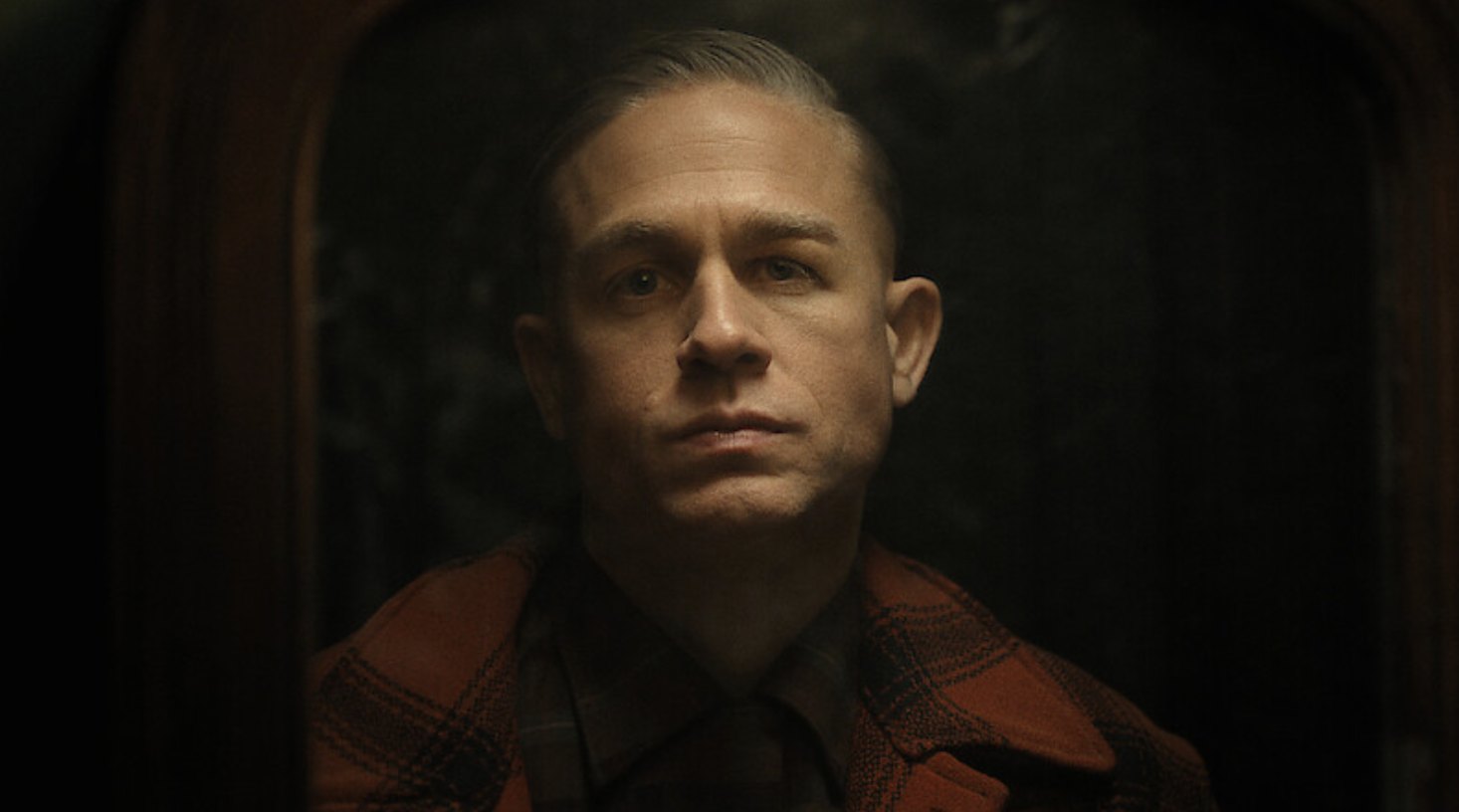
| Monster Chapter / Title Subject | Linked / Guest Killer | Portrayed By | Narrative Purpose & Thematic Function |
|
Season 1:
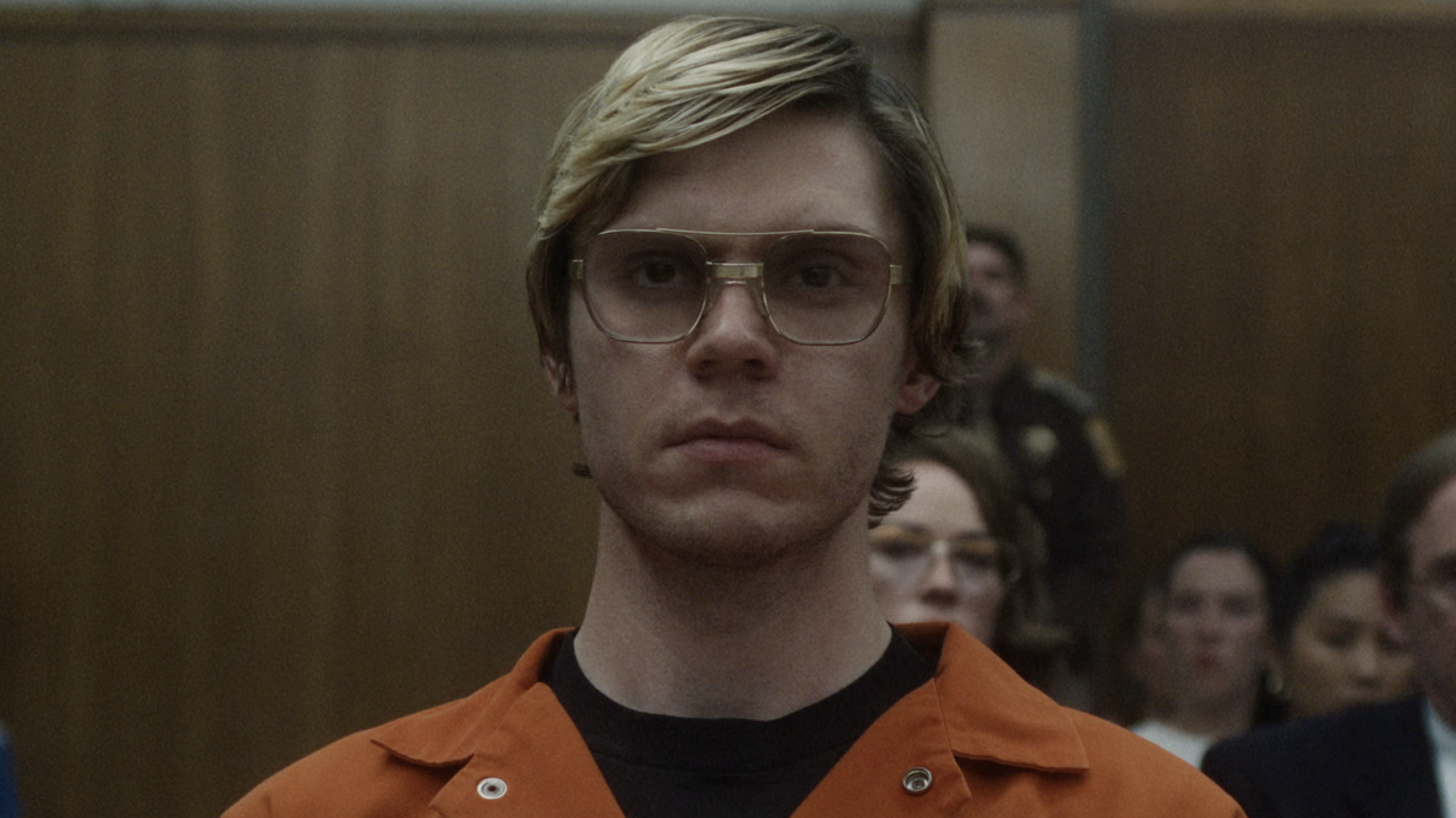
The Jeffrey Dahmer Story
|
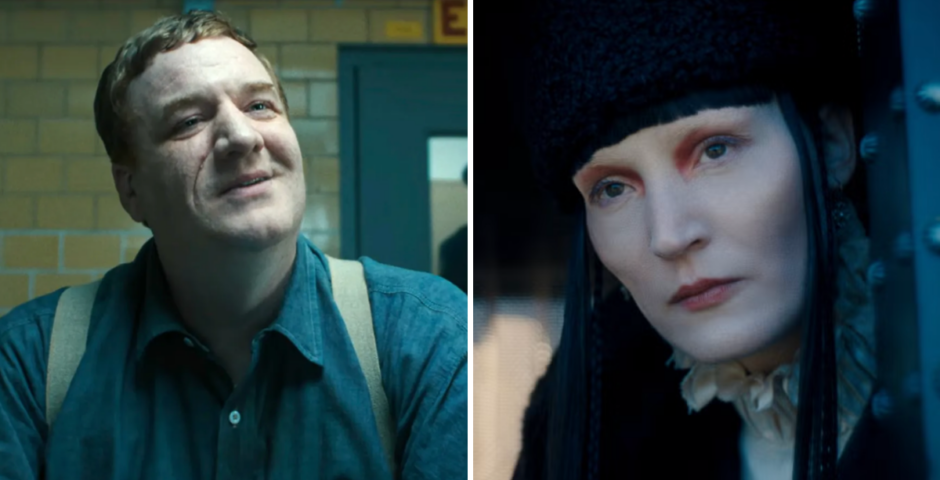
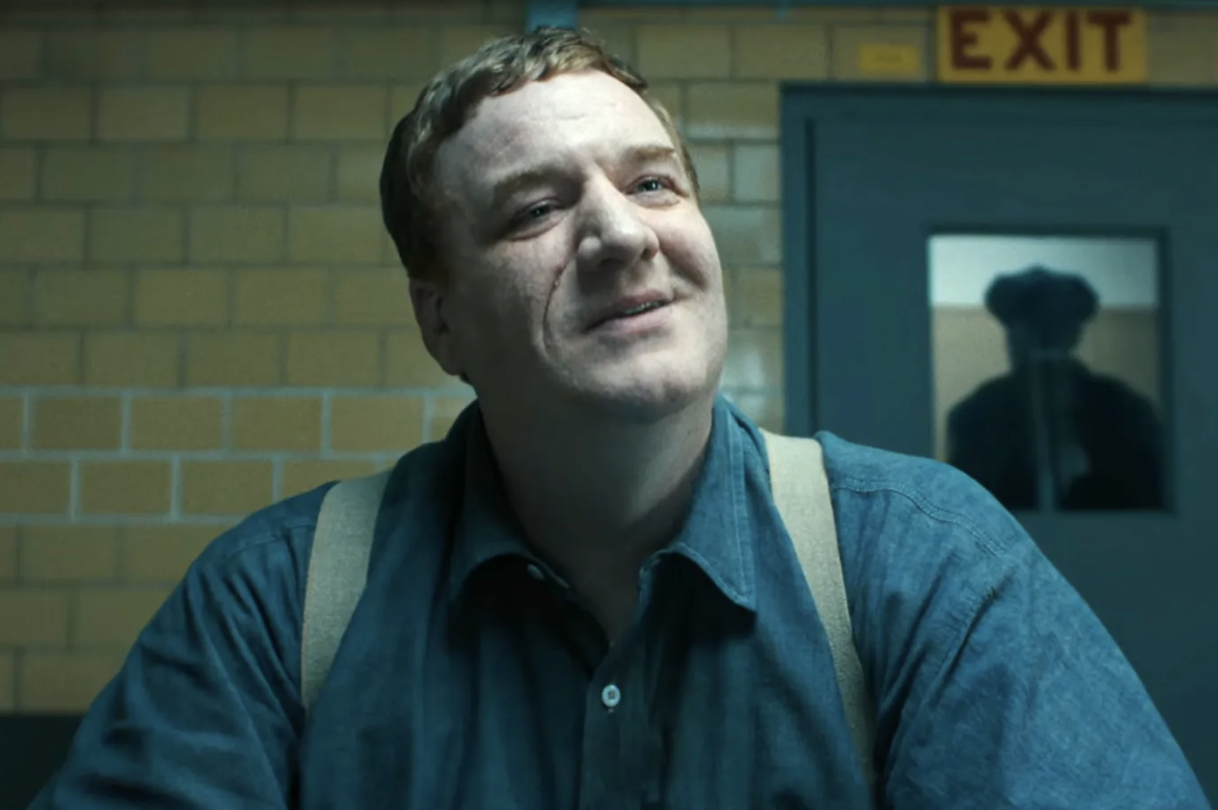
John Wayne Gacy | Dominic Burgess | Spiritual & Systemic Parallels: Appears in prison scenes executing his death sentence by lethal injection in Illinois at the exact time Dahmer seeks Christian baptism in Wisconsin, illustrating contrasting reckonings with guilt and salvation. |
|
Season 3:
The Ed Gein Story
|
Jerry Brudos | Happy Anderson | Mindhunter Continuity & Fetishization: Anderson reprises his Mindhunter role as the “Shoe Fetish Slayer” to contextualize how post-war forensic psychiatry began profiling body-part collectors. |
| Richard Speck | Tobias Jelinek | Midwestern Shock: Brings in the 1966 Chicago student nurse mass murderer to represent the emerging modern era of indiscriminate mass slaughter. | |
| Ed Kemper & Charles Manson | Referenced / Cultural Background | The True-Crime Mythos: Grounding Gein as the proto-architect whose crimes rippled through the 1960s–70s California murders and directly inspired Robert Bloch (Psycho) and Tobe Hooper (The Texas Chain Saw Massacre). | |
|
Season 4:
The Lizzie Borden Story
|
Aileen Wuornos | Sarah Paulson | Female Rage Across Centuries: Contrasts the Victorian domestic repression of 1892 Fall River against Wuornos’ 1989–1990 Florida highway retribution, exploring societal double standards regarding female killers. |
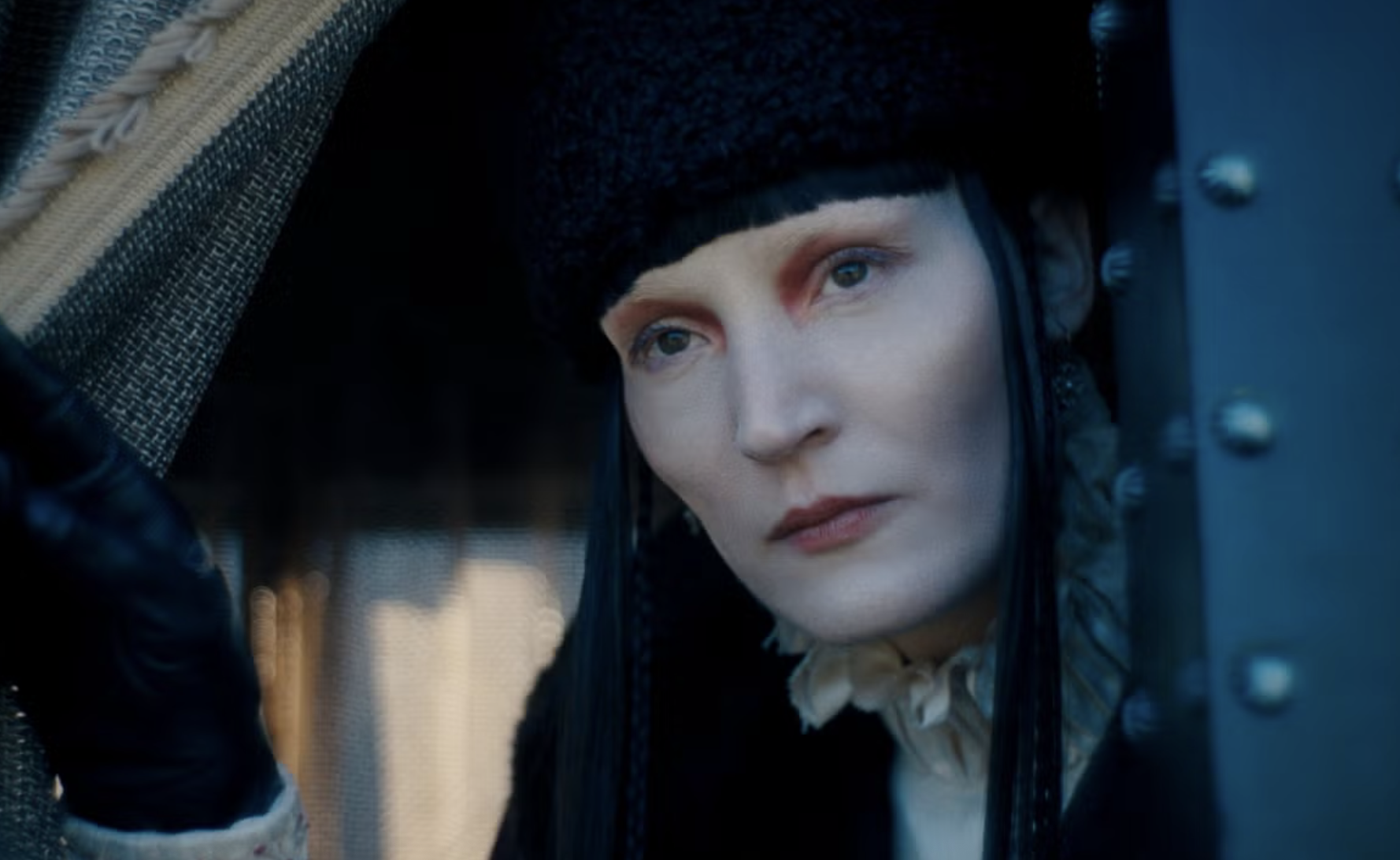
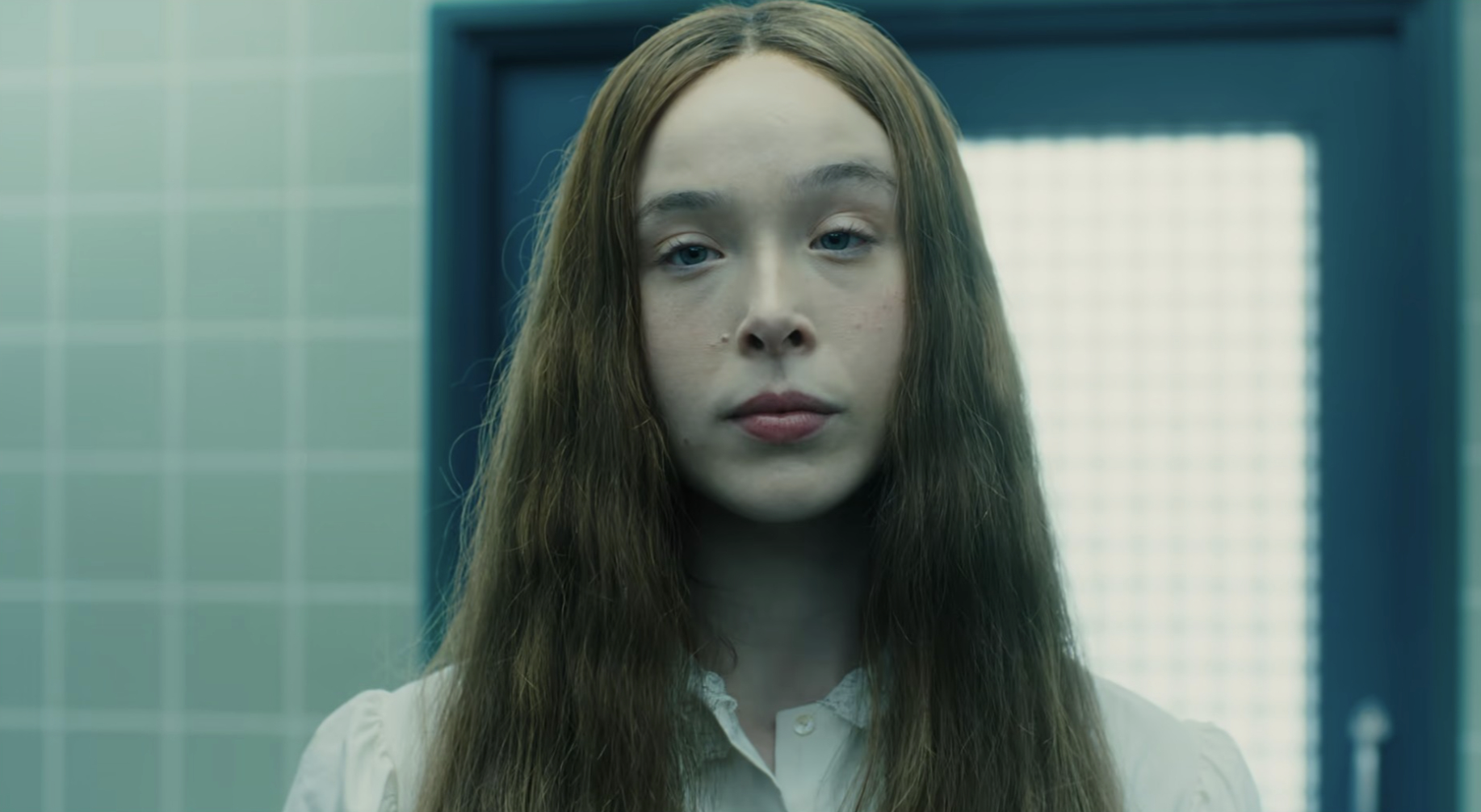
| Countess Elizabeth Báthory | Vicky Krieps (dual role) | The Aristocratic Monster Archetype: Draws on the 16th-century Hungarian noblewoman accused of slaughtering young girls to examine how folklore, wealth, and legal immunity distort violent women in the historical record. |
Why Murphy Expands the Anthology Frame
The cross-pollination serves three distinct production and storytelling goals:
-
Thematic Mirroring Over Linear Biography: In The Lizzie Borden Story, juxtaposing Borden with Aileen Wuornos allows the show to examine systemic misogyny and class protection without remaining trapped inside a single 1890s courtroom.
-
True-Crime Universe Building: Bringing back actors like Happy Anderson (reprising Jerry Brudos from Mindhunter) or Ryan Murphy regulars like Sarah Paulson builds cross-franchise momentum for streaming audiences.
-
Filling Historical Narrative Gaps: As showrunner Ian Brennan acknowledged, cases with sparse or ambiguous records (like Borden’s) rely on importing adjacent historical figures and speculative comparisons to fill out an eight-hour television arc.