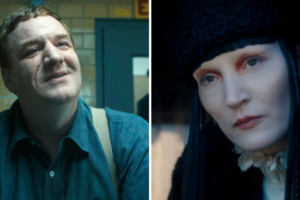
Showrunner Defense vs. Historical Reality: Why Ian Brennan Fabricated Key Elements of ‘The Lizzie Borden Story’
In an interview with The Wrap, Monster co-creator and showrunner Ian Brennan addressed the heavy fictionalization in Netflix’s Monster: The Lizzie Borden Story, openly acknowledging that vast portions of the series were invented because the verified historical record felt like a “tabula rasa” with too many informational voids to sustain a standard drama.
The candid admission underscores the growing tension between Ryan Murphy’s true-crime franchise and the ethics of portraying real-world historical figures.
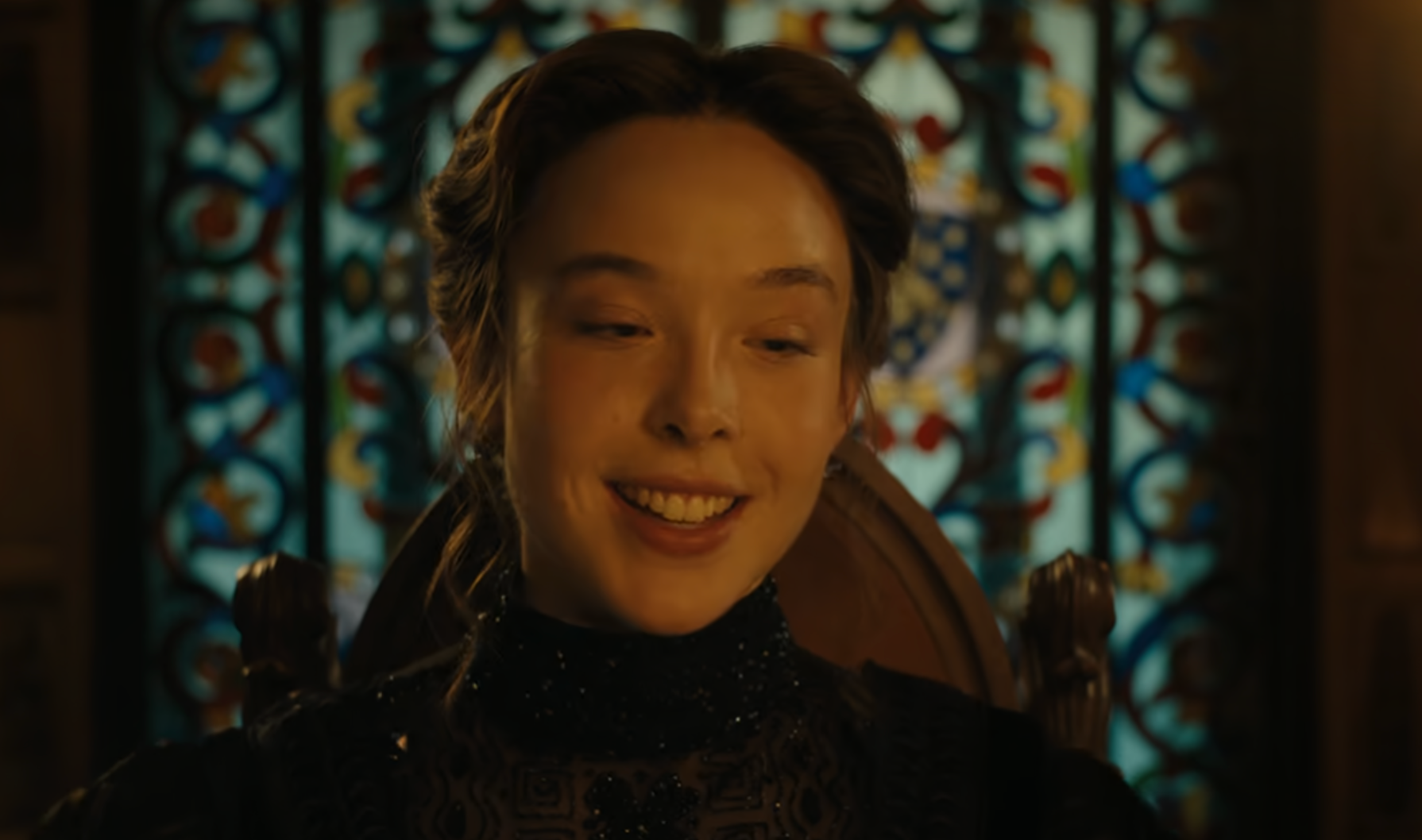
Key Takeaways from Brennan’s Creative Defense
| Rationalization / Claim | Ian Brennan’s Statement (The Wrap) | Critical & Historical Counterpoint |
| Lack of Prior Knowledge | Admitted entering the project knowing almost nothing beyond the famous schoolyard rhyme: “Honestly, I didn’t know she wasn’t convicted, so it was really a tabula rasa for me.” | Highlights that the season was conceived from conceptual brand momentum rather than deep archival familiarity with 19th-century Fall River legal history. |
| The “Gaps” Justification | Argued that sticking strictly to proven facts would not produce a viable television narrative: “If you just tell the facts of what is known to be true, that in and of itself isn’t really a full story because it’s full of gaps.” | Rather than consulting extensive inquest transcripts, witness testimonies, or trial archives, the production treated historical ambiguity as a blank check for wholesale fabrication. |
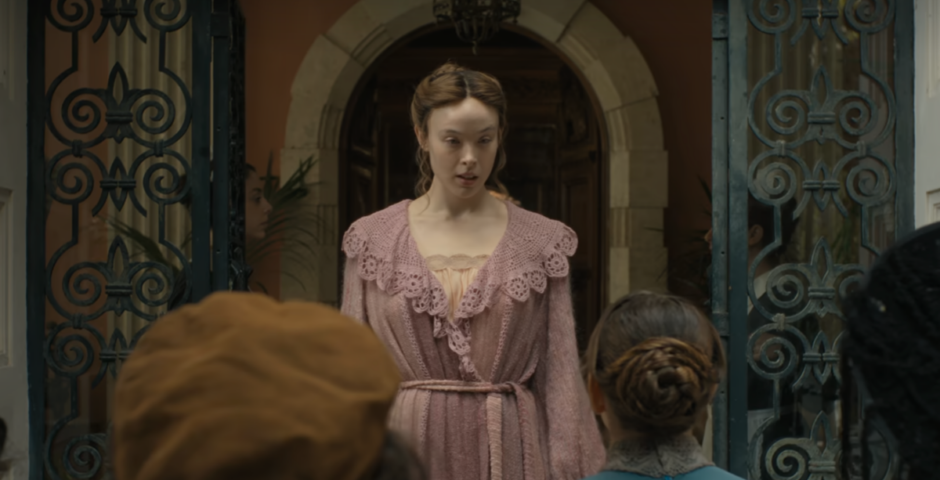
| “Hunch” Over Research | Described the writers’ room process as intuition-driven: “You go in the writers’ room… and be like, ‘OK, what do we think really happened here?’ This is less of a flight of fancy than a hunch about what went down in the house.” | Gut feelings were used to justify extreme, non-factual plotlines—such as depicting victim Abby Borden as an abusive monster, inventing a sexual affair between Lizzie and maid Bridget Sullivan, and framing Andrew Borden as a body-chopping sadist. |
| Modern Anachronisms | Defended modern pop needle-drops and stylized pacing: “It’s easy for period things to feel stuffy, and everything’s on a harpsichord… that’s just like not quite the story here.” | Employs contemporary audio-visual tropes to inject artificial kinetic energy into a Victorian period piece, sacrificing period authenticity for streaming appeal. |
The Franchise Dilemma: Sensationalism vs. History
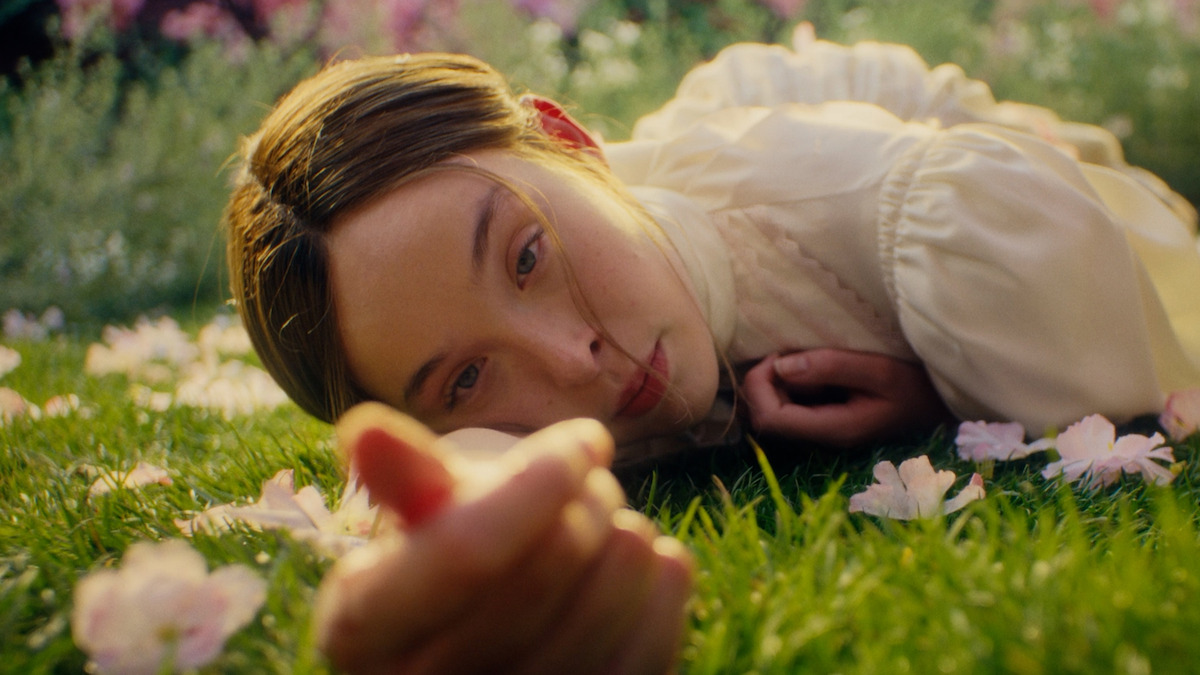
Brennan’s defense mirrors the broader creative trajectory across the Monster anthology:
-
Retconning the Victims: By villainizing Abby and Andrew Borden without historical backing, the show artificially softens Lizzie’s culpability and invents clear, melodramatic motives where real life presented ambiguous, repressed Victorian household friction.
-
Padding the Narrative: Because an unsolved double-axe homicide and subsequent acquittal lack the endless confessional detail of modern serial killer cases (like Jeffrey Dahmer), the show leaned on invented romances, sensationalized perversions, and crossover references to other female killers to fill eight episodes.
While Brennan framed the process as “holistic storytelling,” critics and historians point out that inventing abuse, affairs, and mutilation moves the project out of true crime entirely and into pure, gothic speculative fiction.