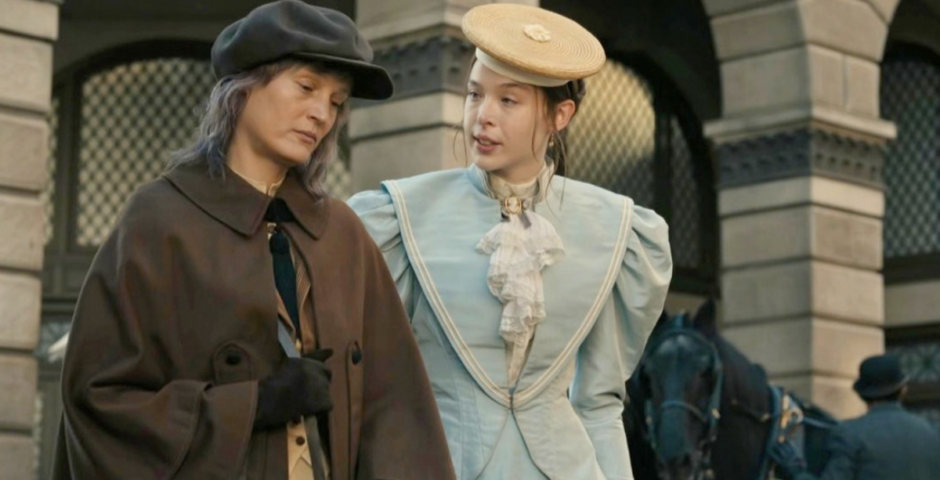
Vicky Krieps on Unpacking Bridget Sullivan: Genuine Affection vs. Survival in ‘The Lizzie Borden Story’
In Ryan Murphy and Ian Brennan’s Monster: The Lizzie Borden Story, the Borden family’s maid, Bridget “Maggie” Sullivan, is reimagined from a quiet Irish domestic worker into Lizzie’s romantic partner and potential co-conspirator. Speaking to The Wrap, star Vicky Krieps addressed the deliberate ambiguity behind Bridget’s actions, explaining how she steered the character away from a cold, opportunistic gold-digger trope toward a nuanced portrait of survival.
Redefining Bridget: Honest Affection Over Pure Manipulation
While the script provided room to play Bridget as an outright schemer playing both Lizzie and Andrew Borden for financial gain, Krieps chose an emotional anchor rooted in sincerity:
-
Subverting the “Manipulator” Archetype:“The way [Monster] was written, you could have easily read it like that – that she is the big manipulator, that she is the one who’s manipulating Lizzie, the father, [that she] wants to make money, talks everyone into it. I didn’t feel that simple, straight manipulation thing… I felt like there’s much more honesty and actual feeling, and I think she actually fell in love with Lizzie.”
-
The Attraction to Lizzie’s Isolation: Krieps noted that Bridget is drawn to Lizzie’s social friction and peculiarity rather than calculating an angle:“Lizzie’s awkwardness is what drew in Bridget. It’s really ‘who is this creature?’”
Becoming a “Player” in a Rigid Class System
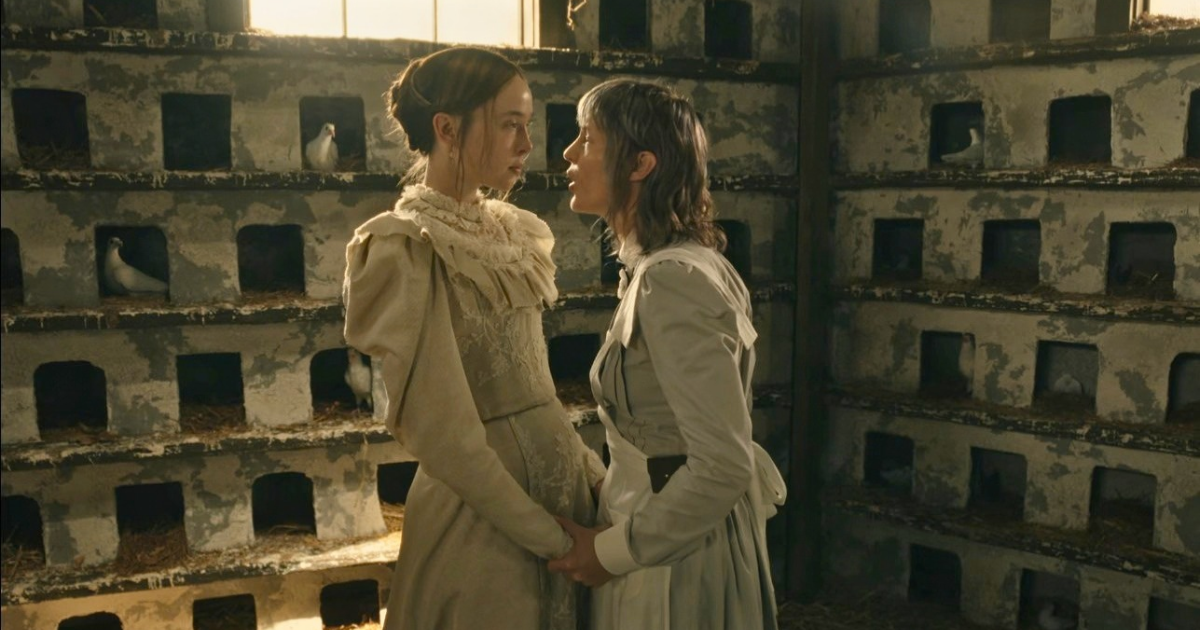
Krieps framed Bridget’s tactical survival instincts as an inevitable product of the harsh social and economic landscape faced by immigrant domestic workers in late 19th-century New England:
| Character Dimension | How Krieps Interprets Bridget in Monster |
| Class Resentment | Motivated by a genuine, deep-seated outrage at the “unfairness of the world that she’s living in” as an underpaid immigrant maid in an affluent, dysfunctional household. |
| From Victim to Actor | Evolved during filming from a passive, suffering subordinate into an active participant: “Through and because of society [she] became a player… a woman who is struggling and surviving, but at the same time, became a player instead of becoming someone who’s only suffering.” |
| The Final Ambiguity | Leaves Bridget as a complex question mark by the finale—neither a blameless victim nor a cartoon villain, but an opportunist forged by economic precarity. |
Screen Fiction vs. Historical Fact
In reality, the historical Bridget Sullivan was a 26-year-old Irish immigrant who worked long hours as a maid of all work for the Bordens. At the 1892 inquest and 1893 trial, her testimony was consistent and detailed: she was resting in her third-floor attic bedroom during the morning murders and reported no romantic involvement with Lizzie or improper conduct with Andrew. Following Lizzie’s acquittal, Sullivan quietly left Fall River, married, and lived the remainder of her life in Montana until her death in 1948, leaving no record of the sensationalized romance or conspiracy imagined on screen.