Trigger Warning Issued for Graphic Scene in Episode 2 of ‘Monster: The Lizzie Borden Story’
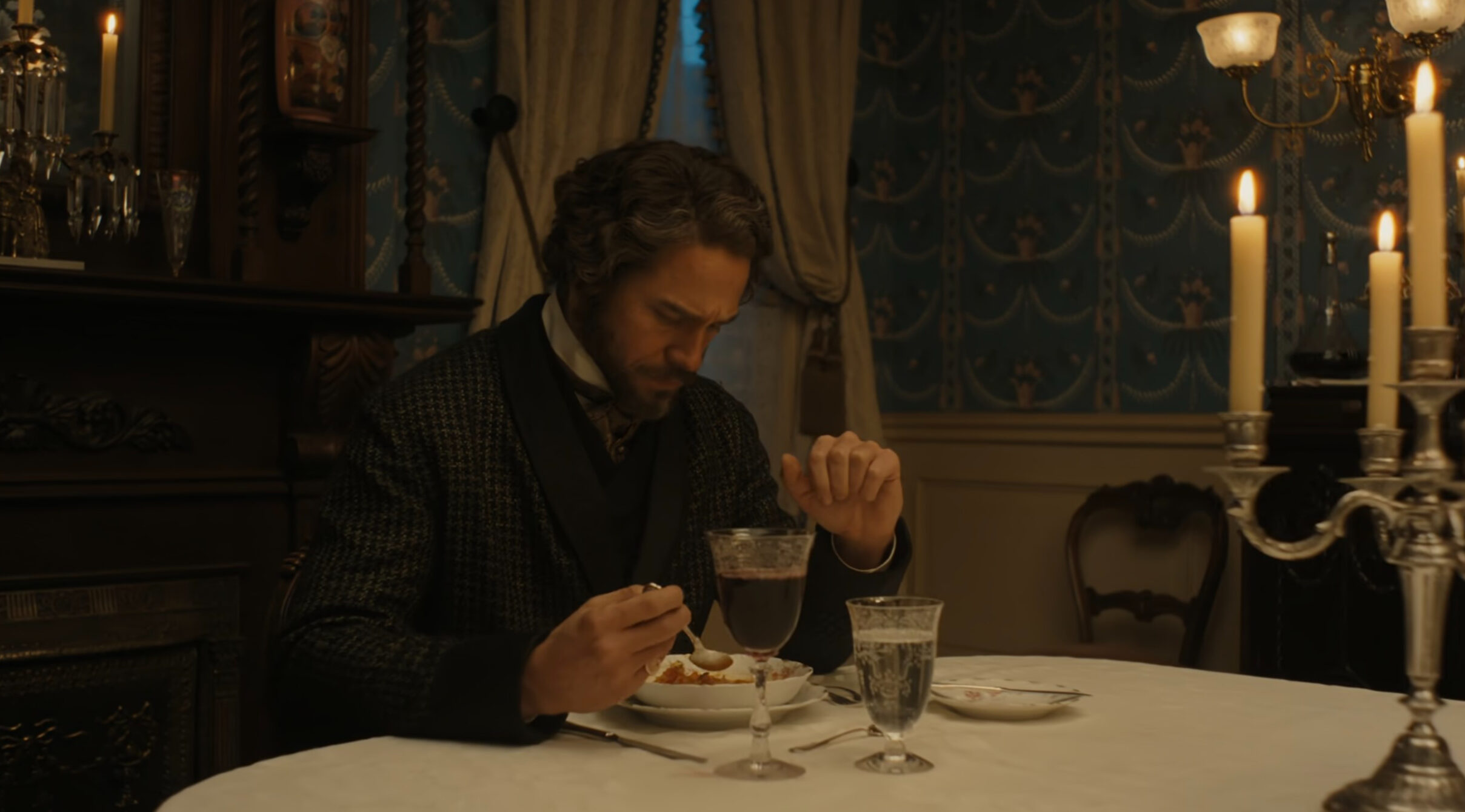
While viewers expected visceral violence from Ryan Murphy and Ian Brennan’s retelling of the 1892 Fall River axe murders, an intense, non-fatal sequence in Episode 2 of Netflix’s Monster: The Lizzie Borden Story has prompted strong warnings across social media, specifically for those living with emetophobia (the intense, debilitating fear of vomiting or seeing others vomit).
The Scene in Question: The Tainted Oysters

The sequence occurs near the conclusion of Episode 2, escalating an alleged pre-axe attempt by Lizzie (Ella Beatty) and the maid Bridget (Vicky Krieps) to sicken her father and stepmother:
-
The Setup: In the fictionalized narrative, Lizzie and Bridget serve Andrew (Charlie Hunnam) and Abby (Rebecca Hall) a dinner featuring contaminated oysters intended to poison them.
-
The Aftermath: The meal results in an extended, graphic sequence of projectile vomiting and severe gastrointestinal distress, underscored by punk music (Lambrini Girls’ “Cuntology 101”).
-
Viewer Reaction: Online discussion boards—most notably communities on Reddit dedicated to emetophobia awareness—quickly issued “do not watch” notices for the episode, describing the sequence as an “emetophobe’s worst nightmare” that caused panic and required viewers to plug their ears and look away.

Historical Context vs. Cinematic Hyperbole
The scene draws loosely on real events before heavily dramatizing them for shock value:

-
The Real 1892 Stomach Illness: Days before the murders, the entire Borden household—including Andrew, Abby, Lizzie, and Bridget—suffered from a severe bout of vomiting and gastrointestinal sickness in the sweltering August heat. Abby suspected they had been poisoned, visiting Dr. Seabury Bowen in distress.
-
The Reality: Historians generally attribute the real-life illness to food poisoning (stale mutton soup kept over several hot summer days in a home without modern refrigeration) rather than an orchestrated poison plot. While prosecutors highlighted Lizzie’s attempted purchase of prussic acid around that time, stomach contents analyzed after the murders showed no traces of lethal poison.