Nance O’Neil’s Chilling Post-War Account: Medea’s Blood and Sharp Dinner Knives
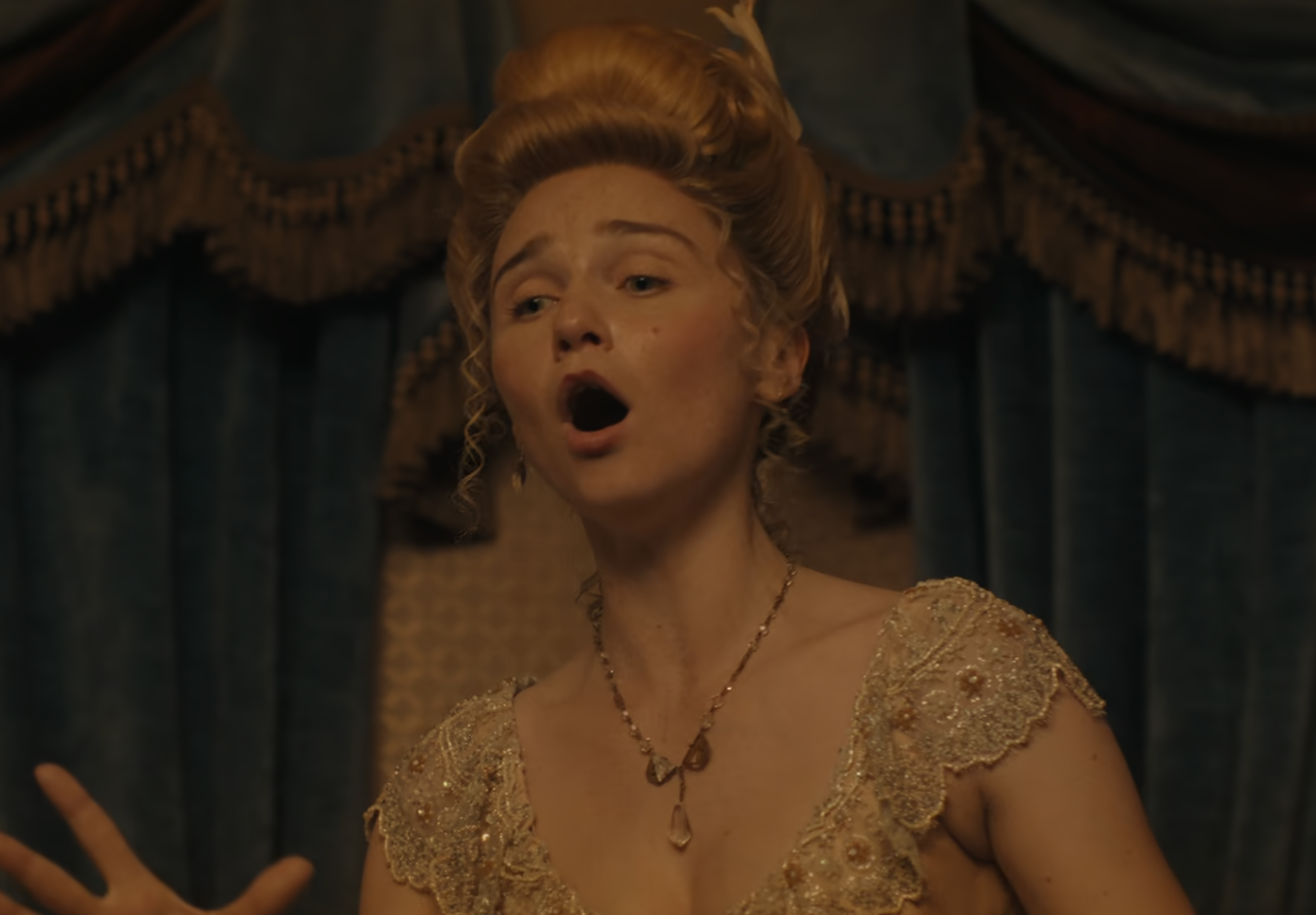
While Nance O’Neil presented an image of refined innocence and quiet pity during her 1927 New Bedford Standard interview, an account from the early 1950s paints a far more eerie, macabre picture of their social gatherings.
Documented by American writer and poet Eugene Walter and preserved in Borden scholarship via the journal The Hatchet, O’Neil looked back on her time with Lizzie during an intimate post-theatre dinner in New York, sharing details that complicate the sanitized story she told right after Lizzie died.
The Encounter: Meeting an Aging Legend
Walter was introduced to an elderly Nance O’Neil through his friend Joseph Cameron Cross. Walter described the faded grand dame of the American stage with vivid, theatrical detail:
“She had dyed red hair which she obviously did herself because it was different shades in different patches of hair. There was one bit over her left ear which was almost purple. She must have gotten the wrong mix or something. She had dead white skin. And she must have put on that mascara with a teaspoon, you know. Just dug it up and went flip, flip, and dug little holes to look out of. And she had rouge in the old-fashioned way. I mean right on the cheekbones, a well-defined patch of rose red.”
The Unspoken Rule: “Never Be Alone With Her”
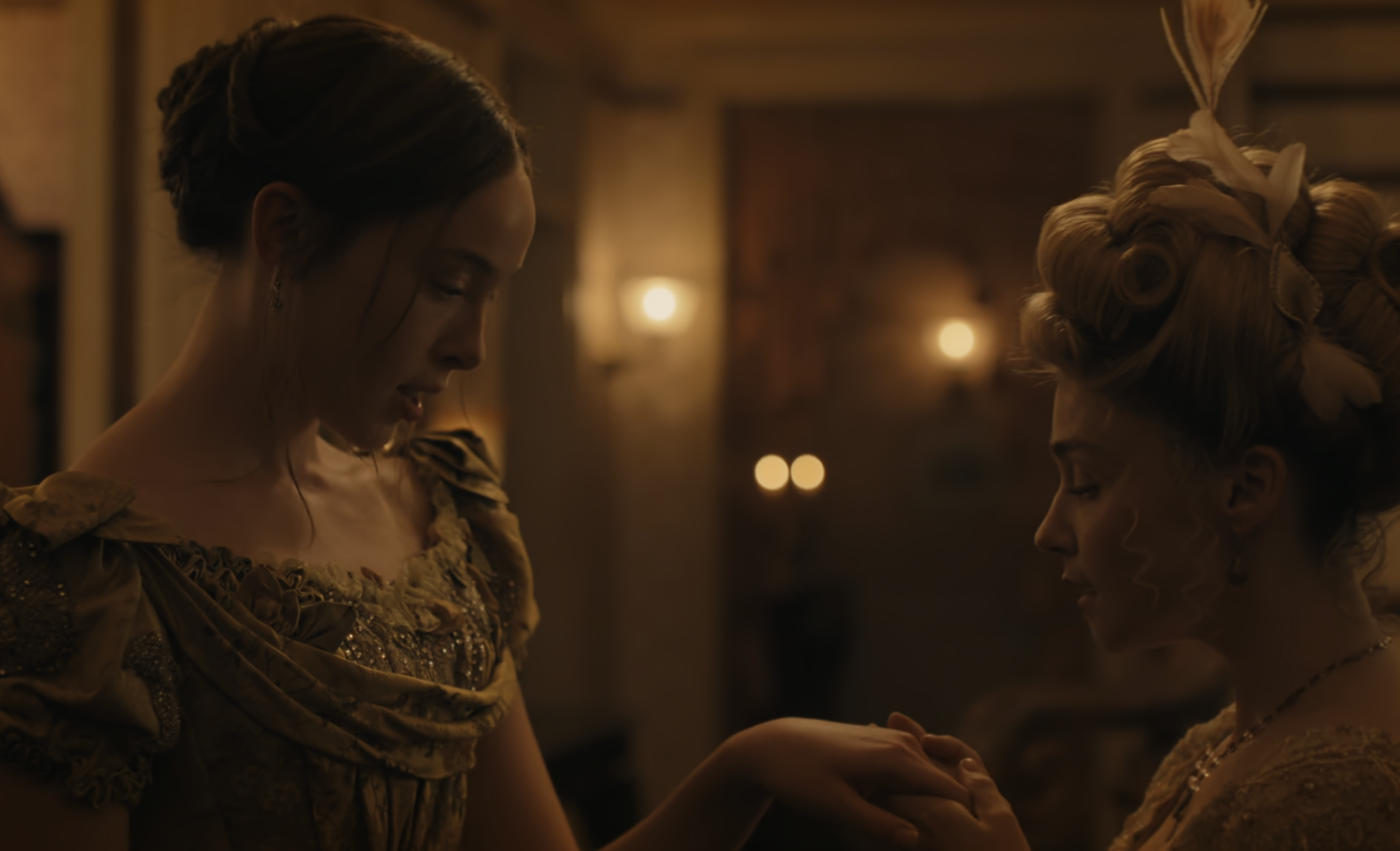
When Walter brought up her connection to America’s most infamous murder suspect, O’Neil dropped the romanticized, protective tone of her 1920s statements. Instead, she admitted that among her theatrical entourage, an unspoken wariness lingered whenever they spent time at Lizzie’s estate:
-
Safety in Numbers:“I won’t say I was nervous being in a house with Lizzie Borden. After all, there were a lot of us together. You can be sure we looked out for each other and made a point never to be alone with her. And to notice how sharp her dinner knife was.”
-
The Contrast: This stands in sharp contrast to her 1890s/1904 public posture, indicating that even the actors and bohemians who gladly accepted Lizzie’s generous patronage and dinners kept a cautious eye on their host.
The Chilling Teatime Demand: Medea’s Curse
The most striking revelation from Walter’s dinner was Lizzie’s fixation on classic Greek tragedy. O’Neil was celebrated for tackling dark, tragic heroines—most notably Medea, the mythic figure who murdered her own children in vengeance against her unfaithful husband.
According to O’Neil, Lizzie had a specific ritual she demanded at teatime:
-
The Recitation Request: Lizzie repeatedly asked O’Neil to recite Medea’s speech from the play.
-
The Lines Lizzie Wanted to Hear:“Often the night of thunder I have a message from the gods on high. They ask me why I have not slept. Why in the morning I will touch no food. Then I’d tell them of my sleepless night and why I did not sleep. Because, I tell them, this house smells of blood.”
For an acquitted double-murder suspect who lived under the cloud of an axe butchery that soaked 92 Second Street in blood, having an actress recite lines about sleepless nights and a house that “smells of blood” reads like either dark, deliberate gallows humor or a veiled psychological confession.
A Shifting Narrative Across Decades
The contrast between O’Neil’s recorded statements highlights how public discretion gave way to theatrical campfire tales as the years wore on:
| Year | Setting / Audience | O’Neil’s Depiction of Lizzie |
| 1927 | Formal newspaper interview (New Bedford Standard) right after Lizzie’s death. | A frail, gentle, cultured woman of intellect; deeply lonely; insists the murders were never spoken of or alluded to in any way. |
| 1950s | Private post-theatre dinner in New York with Eugene Walter. | An unsettling host whom guests avoided being alone with; watched her table knives; repeatedly commanded dramatic recitations about houses smelling of blood. |