In a revelation that has reignited debate across the Stranger Things fandom, creators Matt and Ross Duffer have opened up about a creative decision that stunned even their own writers’ room: Will Byers’ long-anticipated coming-out moment was deliberately written to be more emotionally expansive than the climactic battles against both the Mind Flayer and Vecna.
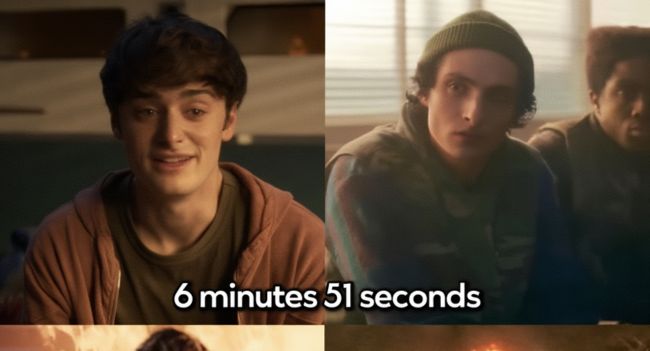
At first glance, it sounds almost unbelievable. How could a quiet, intimate confession outweigh monsters, mind control, supernatural warfare, and the fate of Hawkins itself? But according to the Duffer Brothers, that contrast was precisely the point.
From the very beginning of Stranger Things, Will Byers has been the emotional axis of the series — the boy who vanished, the child who survived another world, the one who carried trauma long after everyone else moved on. While the show became famous for its spectacle, the Duffers insist Will’s story was never meant to be about scale or shock value. It was about survival, silence, and identity.
“Battles end,” one of the brothers explained in recent interviews. “But what Will is going through doesn’t. It’s not something you defeat in one episode or one scene.”
The final confrontation with Vecna and the Mind Flayer, they noted, follows a familiar narrative rhythm: build tension, unleash chaos, resolve the threat. Will’s internal struggle, however, resists that structure. It has been unfolding since Season 1 — in glances he doesn’t return, words he swallows, and the quiet isolation that sets him apart even among his closest friends.
The Duffers revealed that early drafts of the series treated Will’s sexuality as subtext only. But as the show progressed and the character matured, avoiding the moment began to feel dishonest. When the time finally came to let Will speak his truth, the writers made a conscious decision not to rush it.
“In the ’80s, especially in a small town like Hawkins, coming out wasn’t a single sentence,” they said. “It was fear layered on fear. Love mixed with terror. Relief colliding with shame.”
That complexity demanded space — more space, in fact, than any supernatural showdown. Where the Mind Flayer and Vecna could be visualized through CGI and action beats, Will’s confession required silence, hesitation, and emotional precision. Every pause mattered. Every unfinished thought carried weight.
The brothers also acknowledged the cultural responsibility tied to the scene. Will is not just a fictional character; he represents countless kids who grew up feeling “different” without the language or safety to explain why. Compressing that experience into a brief exchange would have betrayed both the character and the audience who saw themselves in him.
Ironically, the choice sparked internal debate. Some worried viewers might expect faster pacing as the series races toward its endgame. Others argued that the emotional core of Stranger Things has always been its children, not its monsters. In the end, the latter argument won.
“The real Upside Down,” one Duffer brother said quietly, “is living in a world where you can’t be who you are.”
By making Will’s coming-out moment longer than the final battle itself, the Duffers sent a clear message: monsters can be defeated with force, but identity is something you fight for every day. And sometimes, the bravest battle happens not in another dimension — but in a single, vulnerable conversation that changes everything.